Weatherproof doors to save money, and you often feel the result before you notice it on a bill. A room that used to feel chilly near the doorway becomes easier to heat. Dust stops creeping in as fast. Street noise softens a little. And your air conditioner or heater gets a break because you are not paying to condition air that immediately leaks out.
This is one of those jobs that sounds bigger than it is. You do not need to replace the whole door to get useful results. In many homes, the real issue is a worn strip, a gap at the threshold, or a latch that no longer pulls the door snugly into place. A small fix can do more than a dramatic one.
Weatherproof Doors to Save Money by Finding the Real Leak
Start with a quick draft check. On a windy day, run your hand around the edges of the closed door. If that feels unreliable, use a thin tissue or light ribbon and see whether it moves. Pay attention to the top corners, the latch side, and the bottom threshold. Those are the usual trouble spots.
You can also look for daylight. If you see light around the frame when the door is closed, air is traveling through the same gap. The U.S. Department of Energy’s air-sealing guide and ENERGY STAR’s DIY sealing advice both emphasize the same thing: sealing the right gap matters more than buying the fanciest material.
Choose the Cheapest Fix That Matches the Gap
Foam or rubber weather stripping works well around the frame when the gap is small and consistent. A door sweep helps when the draft comes from the bottom. If the threshold itself is worn or uneven, you may need to adjust or replace that part instead of layering more strip material on top and hoping for the best.
Do not buy everything at once. Check the problem first, then buy the fix that fits. Too-thick weather stripping can make the door hard to close, which means it gets torn up faster or the household stops using it. Too-thin material, on the other hand, barely changes anything.
Install It Neatly So It Actually Lasts
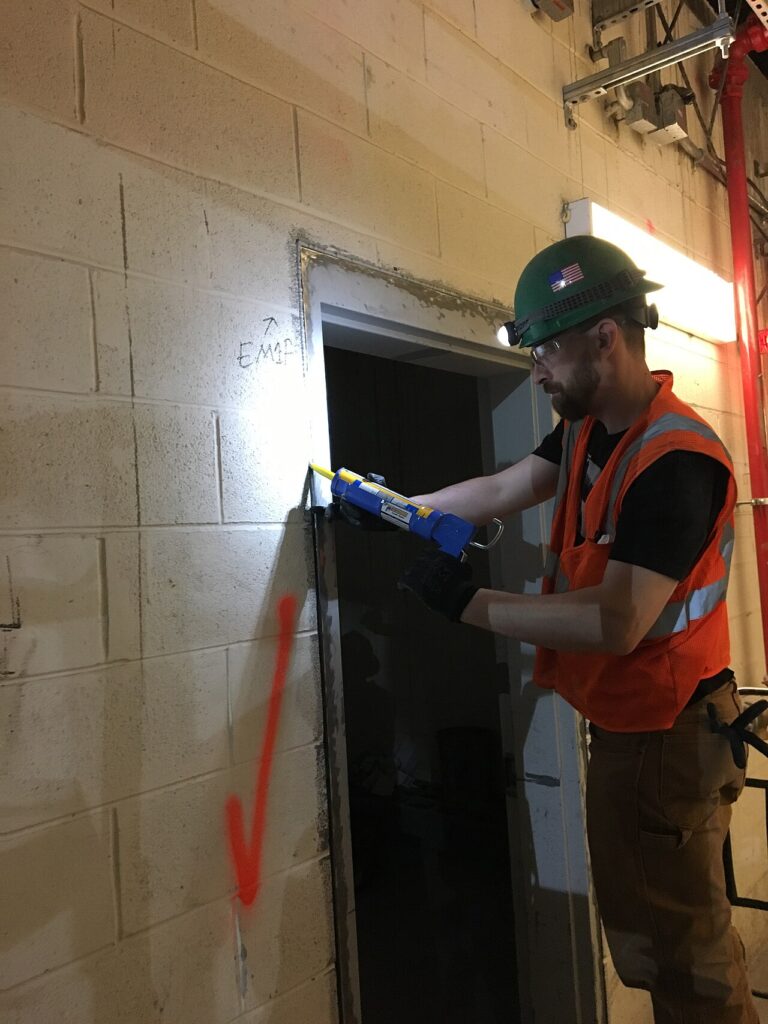
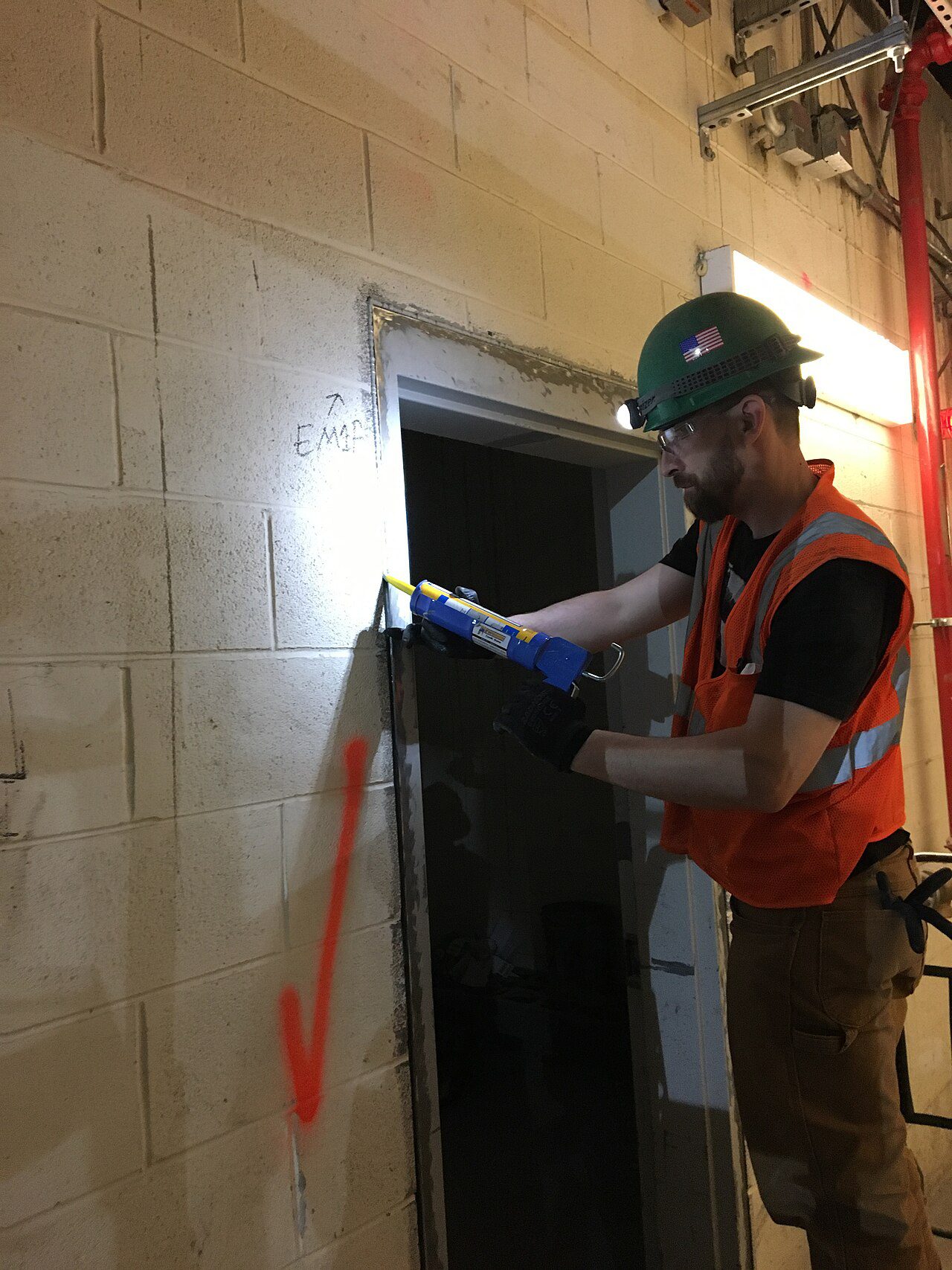
Clean the surface before you stick anything down. Adhesive-backed strips fail fast on dusty paint. Measure twice, cut once, and keep the line straight instead of stretching the strip to make it fit. If the strip bunches or peels at the corners, it will not stay sealed for long.
Close the door after each step and test it. You want a snug seal, not a wrestling match. If the latch side still pulls away from the frame, the issue may be alignment rather than sealing material. A tiny strike-plate adjustment can sometimes improve the seal more than another strip ever will.
One extra check many people skip is the threshold itself. If the bottom of the door barely touches the sweep on one side, the leak may be coming from an uneven floor or a loose threshold rather than bad weather stripping. Tightening a screw, cleaning debris from the track area, or replacing a worn sweep can stop a draft that survives every frame-side fix.
For other low-cost household savings, our post on cold water laundry savings is another easy win that does not require new appliances or a major routine change.
Do Not Forget the Door Habits That Waste Money
Even a well-sealed door loses value if it keeps getting propped open, slammed, or left with a damaged sweep for months. Check busy entry points once every season, especially if kids, pets, or deliveries mean the door gets heavy use. Front doors, balcony doors, and utility-room doors tend to loosen up first.
If you notice moisture, mildew, or swelling wood around the frame, pause and look deeper. Weatherproofing is meant to stop leaks, not hide water damage. In that case, repair comes before sealing.
A Small Weekend Job Can Pay Back for a Long Time
When you weatherproof doors to save money, the improvement is not just financial. The home feels less drafty, the temperature holds steadier, and you stop fighting the same annoying cold spot every day. That is a solid return for a short, cheap job.
If you want more practical home-saving ideas that do not feel like a second career, the tips-tricks.net homepage is a good place to keep browsing. A few modest fixes done well usually beat one big “someday” project that never happens.