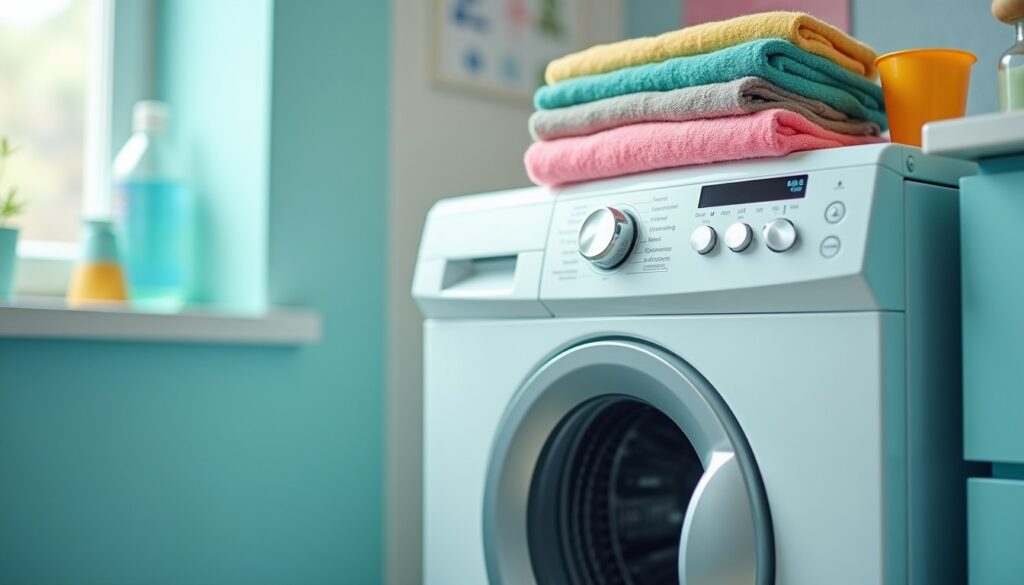
Cold water laundry savings are real, but they work best when you treat them like a practical habit instead of a moral badge. Heating water is one of the most energy-hungry parts of a normal wash cycle. If most of your loads are everyday clothes, towels, and lightly soiled items, cold water can lower utility costs without asking you to baby every shirt you own.
What matters is using cold water where it makes sense, not pretending every stain behaves the same way. I keep tips-tricks.net in my regular reading list because simple money-saving routines like this are the ones that quietly help month after month.
Cold water laundry savings begin with your normal loads
Start with the clothes you wash most often: T-shirts, pajamas, jeans, gym wear, and mixed family laundry that is not heavily stained. These are the easiest places to switch because modern detergents are built to work in cooler water than many people think. A cold cycle is also gentler on fabric, which means fewer faded colors and fewer stretched-out favorites.
The Energy Saver laundry advice and the ENERGY STAR washer guide both point to the same basic idea: use the coldest setting that still gets the job done. That one decision cuts energy use without changing your whole routine.
Use less detergent and stop oversizing the load
People often sabotage a cold wash by pouring in too much detergent. Extra soap does not mean cleaner clothes. It usually means more residue, more rinse time, and that annoying feeling that dark fabrics never quite look fresh. Measure what the detergent label actually suggests and reduce it a little if your machine regularly leaves suds behind.
Load size matters too. A drum packed to the edge leaves less room for clothes to move, which means water and detergent cannot reach everything properly. If you want cold water to work, give the machine room to do its job. This is the unglamorous part, but it is where a lot of the real cold water laundry savings come from: shorter cycles, fewer rewashes, and less waste.
Know when warm water still earns its keep
Cold water is not a magic answer for every load. Greasy kitchen cloths, heavily stained workwear, and laundry from illness may need warm or hot water depending on the fabric care label and the cleaning goal. It is smarter to reserve those hotter cycles for genuine problem loads than to wash absolutely everything warm out of habit.
That middle ground is what saves money without turning laundry into guesswork. I do not think in terms of rules like cold good, hot bad. I think in terms of purpose. If a colder cycle handles eighty percent of the weekly washing, you still bank meaningful savings and spare your clothes extra wear.
Pair this habit with one or two other easy utility wins
Cold water works even better when it sits next to another quiet savings habit. Run full loads instead of tiny ones, clean the lint trap if you use a dryer, and wash during your utility’s lower-cost hours if time-of-use pricing applies where you live. These are not dramatic changes, but they stack nicely over a year.
If you are looking for another low-effort home cost cutter, read LED Light Bulb Savings: Cut Power Costs Without the Gloom. The same idea applies there too: small boring changes often beat expensive gadgets. That is what makes cold water laundry savings worth keeping.
Quick wrap-up
Wash tees, jeans, and gym clothes cold, measure detergent to the label rather than filling the cap, and stop loading the drum past halfway so water reaches everything. Save warm cycles for greasy kitchen cloths and stained workwear. That split covers most weeks without ruining a favorite shirt.
Cold washing only pays off if the drum still works efficiently. Sort by colour, fill the drum to roughly three quarters, and use a detergent formulated for cool water — powder built for 60°C cycles often leaves residue that a warm wash would have dissolved.
Check the care label before you commit, not after. Wool, silk and anything marked with a hand-wash symbol stay out of a cold machine cycle, and a single shrunk jumper undoes the whole saving in one wash.