Mobile bills creep upwards quietly. A promo rolls off after twelve months, a data add-on is added during a busy month and never removed, and the price quietly settles 40 per cent higher than what you agreed to. Moving to a cheaper mobile plan is usually a 20-minute job, but only if you check a few things before you switch so you do not trade savings for dead zones and hidden fees.
Start with your real usage, not the sales pitch
Open your last three bills and write down two numbers: average data used and average minutes. Most people use far less data than they pay for, because plans are sold on fear of overage. If you use 6 GB a month and pay for 30 GB, you are funding someone else’s network upgrade.
Then check when your current contract ends. Switching mid-contract can trigger a penalty that eats a year of savings. If you are outside the minimum term, you are free to move whenever you like.
Compare a cheaper mobile plan on the same network
Smaller providers often rent capacity from the big networks, so you can keep identical coverage at a lower price. The trick is to confirm which host network the cheaper option uses, then check that network’s coverage map for your home, your workplace and your daily commute. A plan is only cheap if it works where you actually stand.
- Compare the total monthly cost including taxes, not the headline price.
- Check whether the data is full speed or throttled after a threshold.
- Confirm hotspot or tethering is allowed and how much of it.
- Look at the notice period for price rises, which some cheap plans reserve the right to apply annually.
Watch the fees that hide in a cheap plan
The advertised price is rarely the price you pay. Activation fees, SIM delivery charges and out-of-bundle data rates can swallow the saving. Out-of-bundle pricing matters most: a plan that charges heavily per megabyte beyond the cap is a trap for anyone who streams video.
Also read the roaming section even if you rarely travel. A plan that is cheap at home and punitive abroad is a bad deal the first time you take a trip.
Test coverage before you commit
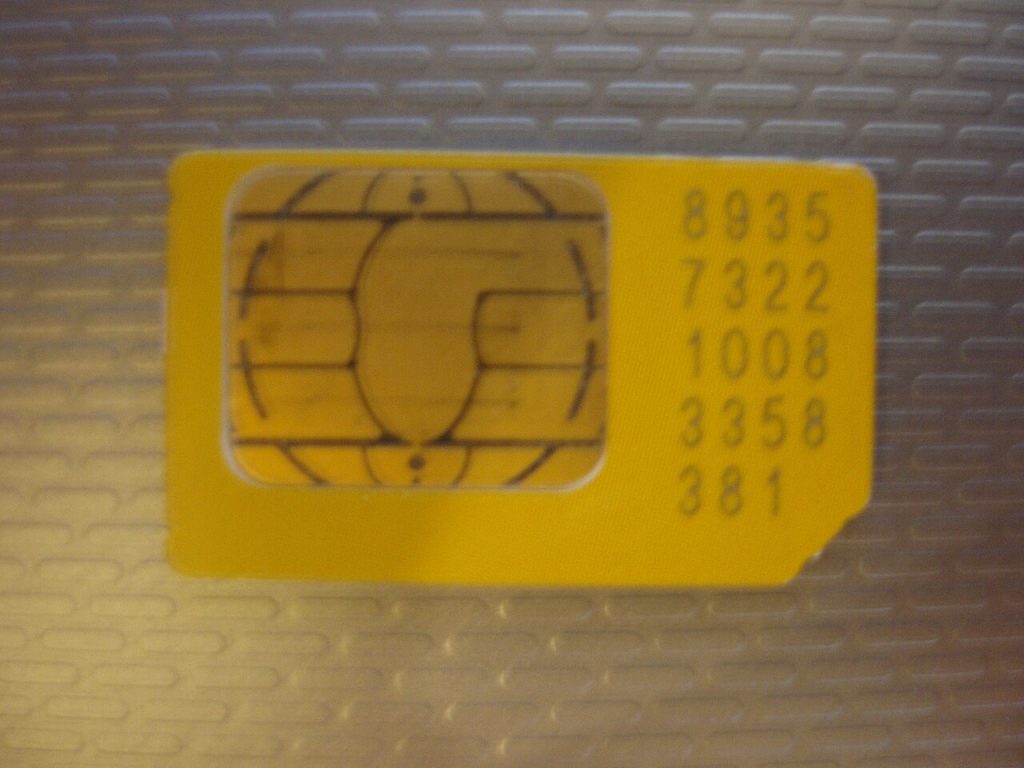
Ask for a prepaid SIM of the candidate network and use it for a week before porting your main number. Put it in a spare phone or a dual-SIM slot, run a speed test in the places you use most, and make one call from inside your building. Coverage maps are optimistic; a real week of use is not.
If a week is impossible, at least test on the day you plan to switch and keep the old SIM active until the new one is confirmed working.
Time the switch so nothing goes dark
Port your number at the start of a billing cycle, not the end, so you do not pay for a month you barely use. Keep the old SIM in the phone until the port completes, and do not cancel the old account yourself; the port normally cancels it. Two-factor codes arriving by SMS are the usual casualty of a rushed switch, so update your banking and email recovery numbers the same day.
Finally, set a reminder for eleven months later. Promotional pricing usually expires at the twelve-month mark, and that reminder is what turns a one-off saving into a permanently cheaper mobile plan.
The short version
Three steps cover most switches: measure real usage, compare a cheaper mobile plan on the same host network, then test that network for a week on a prepaid SIM. If the saving is under about 15 per cent, the hassle of porting may not be worth the disruption.
When you do find a cheaper mobile plan worth moving to, port early in the billing cycle and diary the promo end date. That single reminder stops the bill from creeping back up a year later.
Write the numbers in a note: monthly cost, data allowance, contract end date. When that note shows a gap, a cheaper mobile plan is usually one port away, and finding a cheaper mobile plan takes about twenty minutes once a year.

Related reads
Background on how smaller operators rent network capacity: mobile virtual network operator.