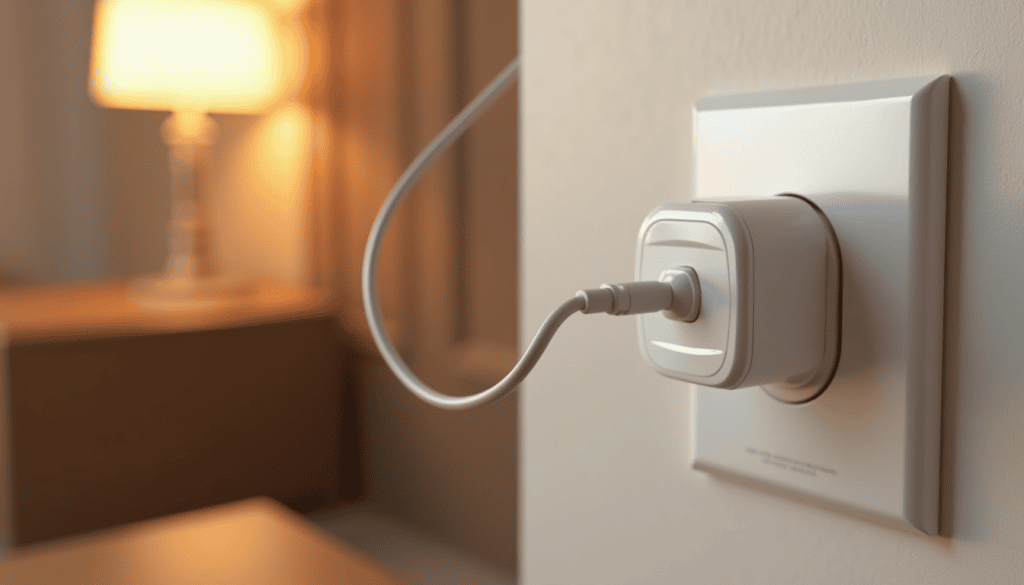
Standby power is the quiet line item on every electricity bill. Your TV, console, set-top box, printer and chargers keep drawing a trickle 24 hours a day, and a few of them draw a lot more than a trickle. Smart plugs are the cheapest practical fix: a small adapter, typically the price of two coffees, that switches a socket on a schedule or from your phone. Used well they pay for themselves in a season. Used badly they just add another app to your phone.
What standby load actually costs you
A modern TV on standby uses around 0.5 W; an older set-top box or games console can use 10–15 W. Add a printer that never sleeps, a soundbar, a microwave clock and three chargers, and a typical living room sits at 20–30 W of continuous draw. That is roughly 175–260 kWh a year — a meaningful fraction of a monthly bill in most households, and pure waste.
The maths is simple enough to do yourself: watts × hours ÷ 1000 = kWh. A 10 W device left on all year is 87.6 kWh. Multiply by your per-unit tariff and you have the saving.
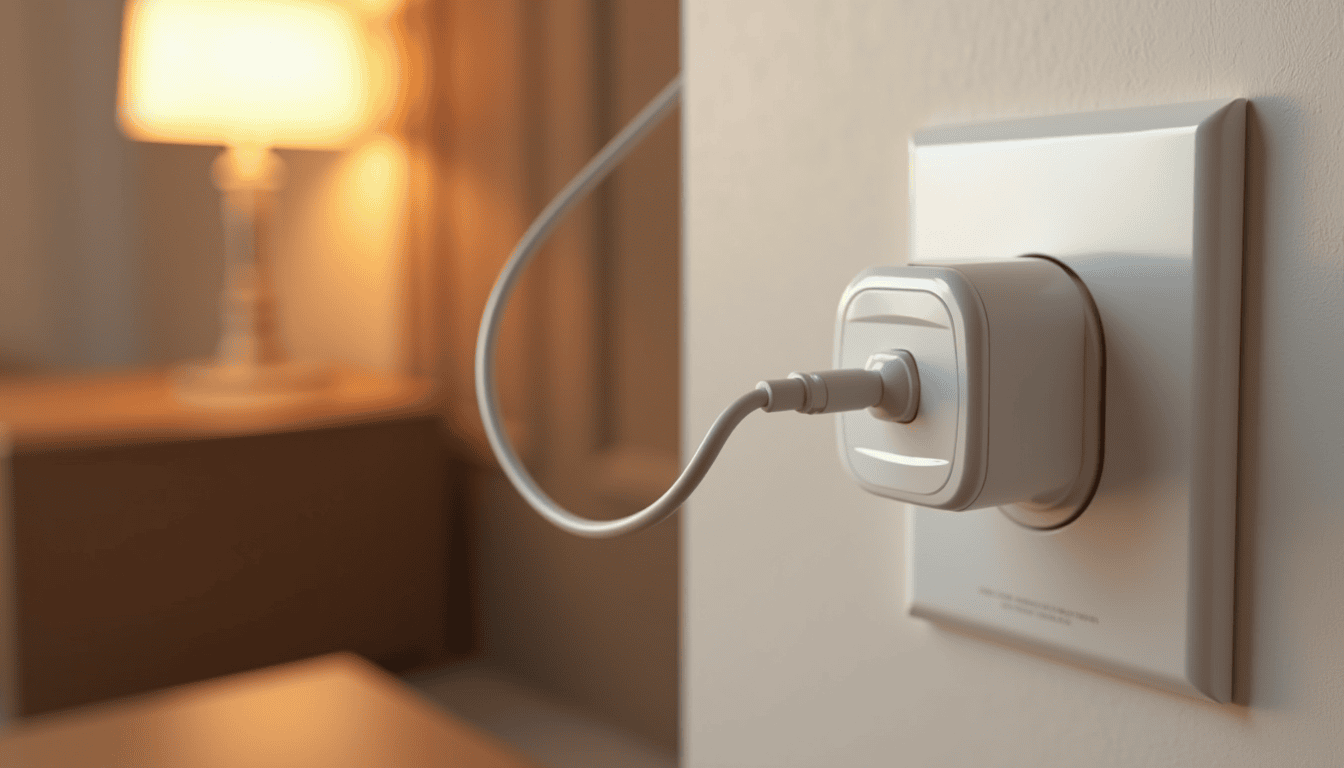
Where smart plugs genuinely save money
1. Entertainment clusters
Put the TV, soundbar and console on one plug and schedule it off between midnight and 07:00. You will not notice the difference; the meter will. This is the highest-value single use of a smart plug.
2. Water heaters and geysers
Water heating is one of the largest loads in a home. A timer that heats for two hours before you wake and two before you shower in the evening beats heating a tank all night — often the biggest single saving available without buying new appliances. Use a plug rated for the heater’s current, which usually means a dedicated 16 A unit, not a phone-charger-sized one.
3. Chargers and small appliances
Phone and laptop chargers waste little on standby, but a plug strip on a schedule stops the slow bleed from a dozen of them. Same for the router-adjacent clutter — though never schedule off anything you rely on overnight, such as a router, fridge, freezer or medical device.
4. Dehumidifiers, fans and space heaters
These are high-wattage and easy to forget. A timer that runs a dehumidifier for four hours instead of fourteen is a large, painless saving.
Where they do NOT save money
- Fridges and freezers. Cycling the power damages the compressor and spoils food. Never.
- Anything with a clock you rely on, including some alarm clocks and ovens.
- Devices that need to stay reachable — routers, NAS units, security cameras, smart-home hubs.
- As a substitute for efficiency. A plug cannot fix an old, inefficient air conditioner. It only stops waste when the device is off.
Buying checklist
Look for four things: a stated current rating that matches the load (10 A for lamps and electronics, 16 A for heaters), local control that still works if Wi-Fi drops, energy monitoring if you want to find your own hogs, and a brand with a visible safety certification. Cheap unbranded plugs are a genuine fire risk — the same reasoning as our guide to spotting a fake charger before it damages your phone. Prefer a plug that works over Wi-Fi without a proprietary hub.
Set it up so you forget about it
Two rules keep smart plugs useful rather than annoying. First, use schedules for recurring loads and manual control only for occasional ones — nobody wants to open an app to turn on a lamp. Second, group them: most apps let you make a “Living room off” scene and trigger it on a schedule or a single tap. Then check the energy-monitoring graph after a week; the number that surprises you is usually the one worth acting on.
Finally, treat plugs as one part of a plan. They stack well with the basics: unplugging what you can, switching to LED, and — for anything that runs on a strip — following basic power strip safety so you are not trading a small saving for a real hazard. More money-saving guides are on the tips-tricks.net homepage.
Realistic payback
A single plug costing about the price of a takeaway meal, killing 10 W of standby for a year, saves roughly 88 kWh. At most tariffs that is a payback inside six to twelve months, and faster for the high-wattage loads. Buy three for the biggest standby offenders rather than fifteen for the whole house — you will get most of the saving with none of the clutter.