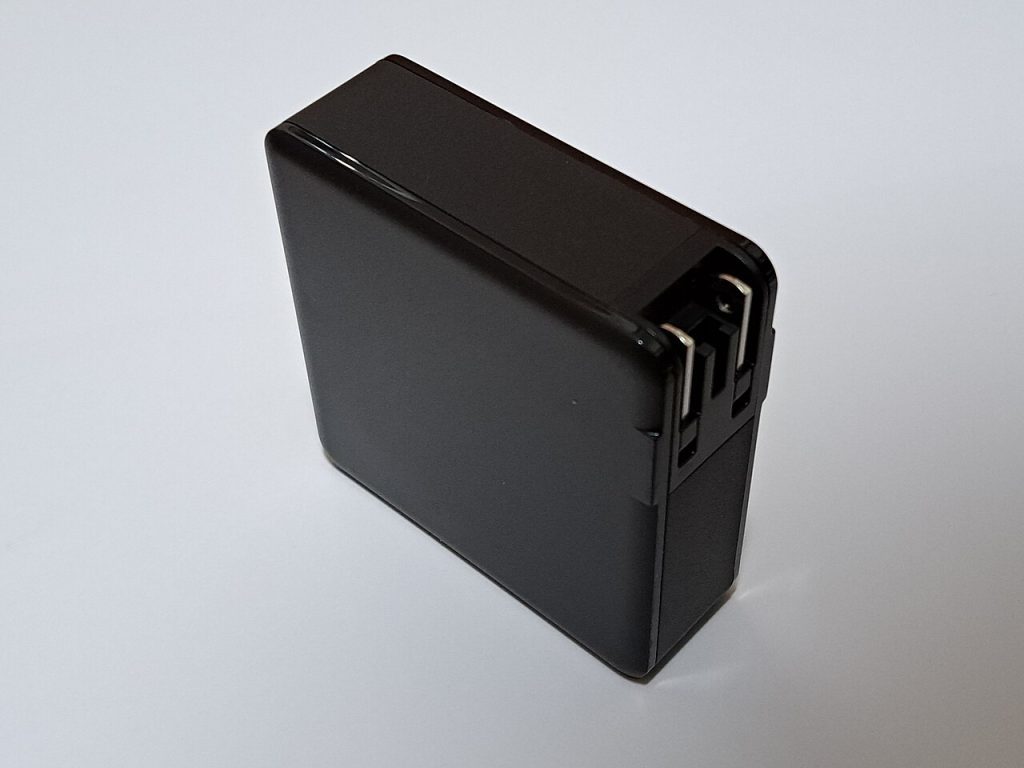
A fake phone charger is not just a bad purchase; it is a fire risk sitting in your wall socket. Counterfeit units skip the isolation, the fuse and the temperature cut-off that make a real charger safe. The good news is that most fakes give themselves away within a minute of handling, and a few checks catch nearly all of them.
Start with the weight and the finish
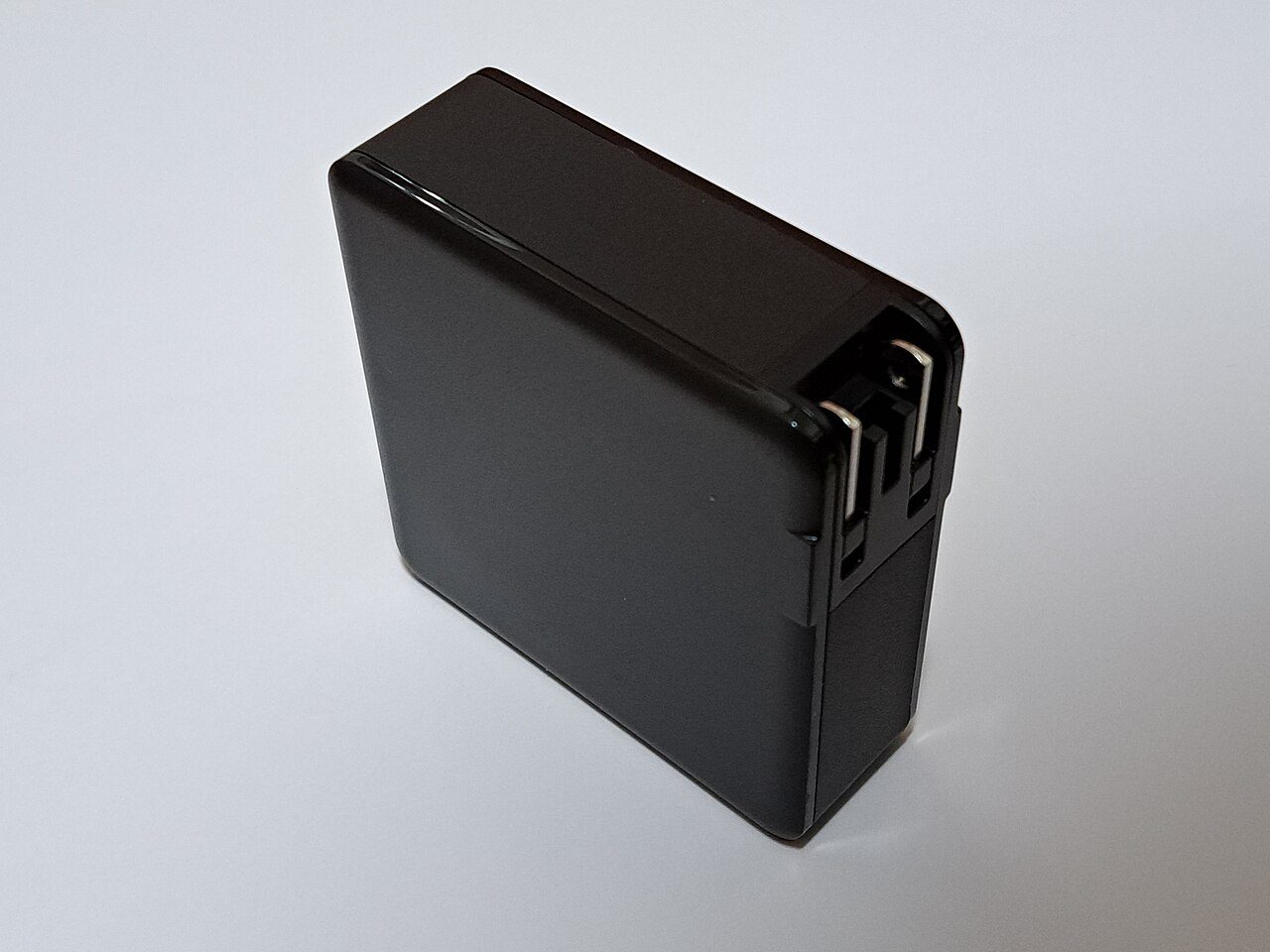
Pick up a suspect charger. Genuine units are heavier because they contain a transformer, proper insulation and a metal shield. Counterfeits feel hollow and light. Look at the seams: on a genuine charger the plastic joins are tight and even, while a fake usually shows flashing, a crooked seam, or a plug that wobbles.
Then check the printing. Brand names on fakes are often slightly wrong, oddly spaced, or printed in a font that smears. Compare the label with a photo from the manufacturer’s own site rather than with the shop’s listing.
Read the label like an engineer
A legitimate charger states the manufacturer, model number, input voltage range, output voltage and current, and at least one safety certification. Missing any of those is a red flag.
- Output maths: 5V at 2A is 10W. If the label claims 65W from a body the size of a matchbox, the number is invented.
- Certification marks: CE, FCC, UL, BIS or an equivalent local mark should be crisp and correctly proportioned, not a blurry sticker.
- Model number: searchable online. A charger with no model number cannot be certified.
- Country of manufacture and importer: real products name them; fakes often leave them out.
Certification bodies publish what those marks actually guarantee. UL, for example, explains its product safety certification process, and a genuine charger will reference a real certification file.
Watch how it behaves under load
Some fakes only fail once they work hard. Charge a phone from the suspect charger for ten minutes and check three things: does the body get uncomfortably hot, does the phone report slow charging despite a fast-charge label, and does the touchscreen behave erratically while plugged in. A rough or jumpy touchscreen is a classic symptom of a charger with poor ripple filtering.
Buzzing, a faint burning smell, or a plug that sparks when inserted are immediate reasons to stop using it. Do not open a charger to inspect it: the capacitors hold a dangerous charge even when unplugged.
Buy in a way that avoids fakes
- Buy from the brand’s own store or an authorised retailer, not a marketplace listing with stock photos.
- Check the seller’s return policy; counterfeit sellers rarely accept returns.
- Prefer a charger with the same wattage the phone’s manual specifies, from a brand you can look up.
- Keep the receipt and the box until you have used it for a week.
A genuine charger costs a little more and lasts years. A fake one costs a phone, or worse. Ten minutes of checking is a fair trade.
Where fake phone chargers actually come from
Counterfeits reach buyers through marketplace listings that use real product photos, through phone shops that sell “original” chargers pulled from bulk cartons, and through bundles thrown in free with a case or a cable. The free bundled charger is the highest-risk item, because nobody inspects something they did not pay for.
Refurbished and pulled-from-box chargers are a different category: they can be genuine, but worn cables and stressed insulation still make them a gamble. If a charger has been in someone else’s bag for two years, the plastic around the plug may already be cracked.
One practical rule filters most of this: if the price is less than half of what the brand’s own store charges, and the seller will not show a certification number, treat it as unsafe until proven otherwise.
Related reads
More practical guides live on the tips-tricks.net homepage.