Standby power costs are easy to ignore because they rarely show up as one dramatic mistake. They appear as tiny bits of electricity used by devices that look “off” but are still waiting, glowing, listening, charging, syncing, or keeping a clock running. One charger here and one entertainment box there do not feel important. Add enough of them across a full year, though, and the wasted power becomes real money.
The goal is not to unplug your entire home every night. It is to spot the devices that waste the most and make a few changes that are practical enough to keep. This is where small home-saving habits outperform dramatic resolutions.
What standby power costs usually come from at home
The biggest sources of standby power costs are often clustered in a few places: the TV area, the home office, and the kitchen. Televisions, streaming boxes, game consoles, soundbars, printers, old desktop speakers, coffee machines, microwaves, and chargers can all draw some power when not actively in use.
Not every device is equally wasteful. A modern efficient charger with nothing attached may use almost nothing, while an older cable box or always-on entertainment stack can draw more than people expect. That is why it helps to think in groups. A single device may be minor, but six always-ready devices connected together can create constant background drain.
If you have already started cutting waste in other parts of the house, such as these cold-water laundry savings, standby cleanup is a natural next step because it is mostly about habits and smarter setup.
How to reduce standby power costs without making your home annoying
Start with the easiest win: put entertainment devices on a quality power strip so one switch can shut down several items at once. This works especially well for a TV, streaming box, game console, and speakers that are usually used together. If you do not want to cut power to everything, focus on the devices you know do not need to stay half-awake all day.
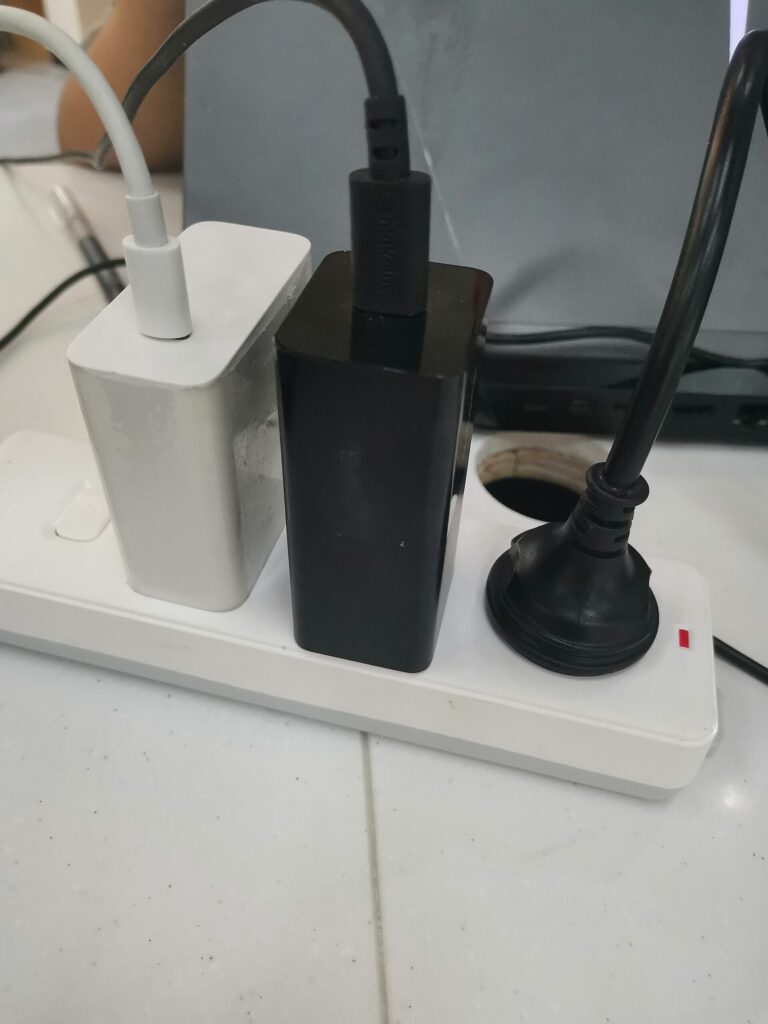
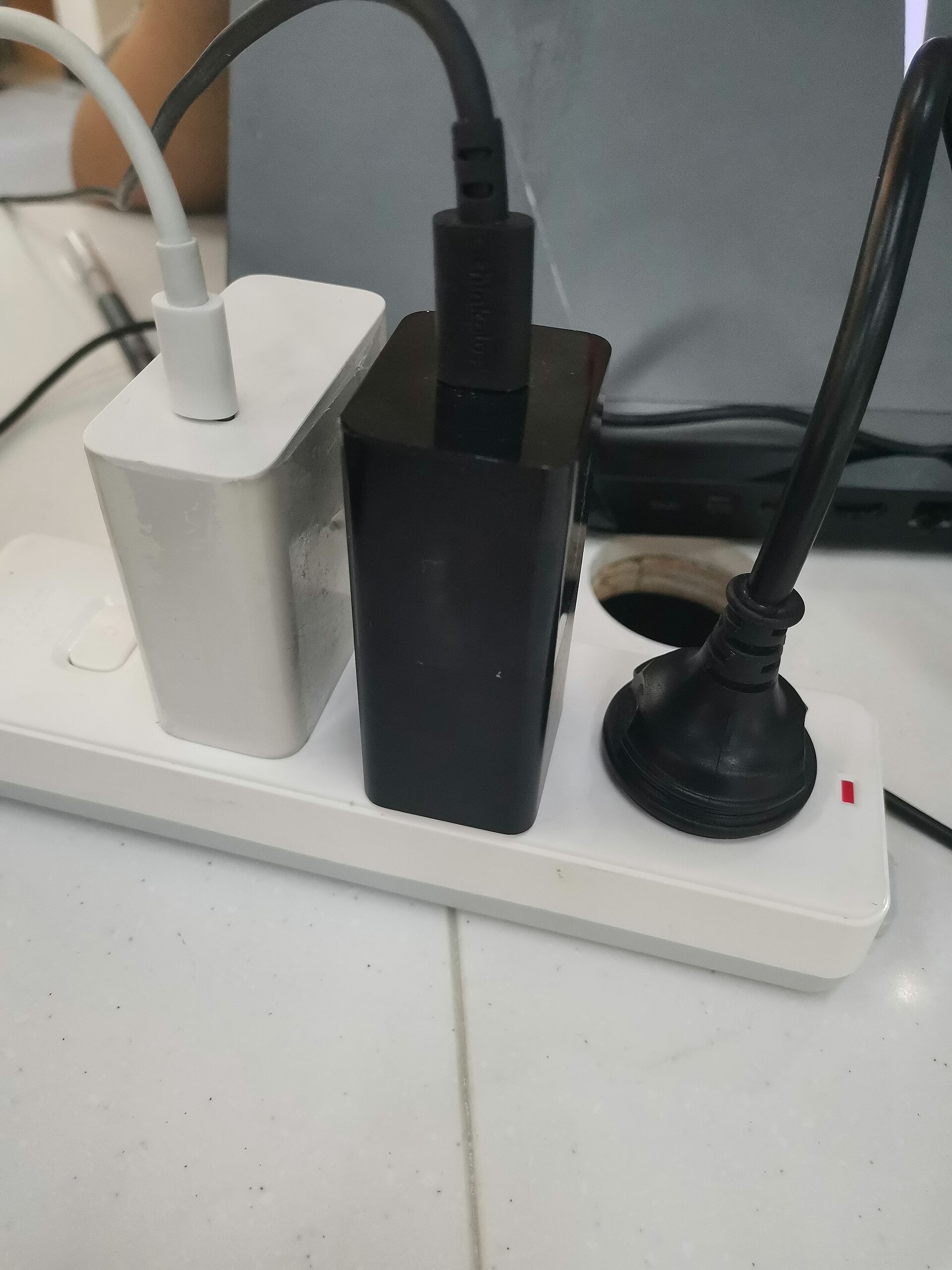
Next, look at chargers and adapters that stay plugged in permanently. Phone chargers, laptop chargers, electric toothbrush chargers, and spare device bricks are common clutter sources. Again, one is small, but ten add up and make outlets harder to manage.
Then review office gear. Printers, monitors, old routers used as extenders, and desktop accessories often stay on indefinitely. Some need that. Some do not. If you work from home, an evening shutdown routine can save a bit of power and reduce noise at the same time.
ENERGY STAR’s guidance at energystar.gov is useful if you want a trusted source on efficient devices and home energy habits.
Which devices are worth leaving alone
Not every standby load is worth fighting. Internet routers, security systems, smart-home hubs, medical devices, and appliances with useful scheduled functions may need continuous power. The aim is to cut unnecessary waste, not to create daily inconvenience or risk.
It also helps to avoid false savings. If unplugging a device resets useful settings, breaks automations, or means family members simply turn it back on and leave it that way, the change will not stick. Sustainable savings come from decisions that fit normal life.
Smart plugs can help in a few cases, especially for lamps, chargers, or entertainment corners. But use them carefully and only where they make sense. Some devices should not be power-cycled constantly. Practical judgment matters more than gadget enthusiasm.
A simple room-by-room plan to shrink standby power costs
Walk through one room at a time and ask a plain question: what here is using electricity even when nobody is using it? Start with the living room, then the office, then the kitchen. Make a short list of always-on devices, group the easy ones onto switched strips, unplug truly unused chargers, and leave essential gear alone.
If you want extra motivation, pair this with other money-saving ideas from tips-tricks.net and check your power bill over the next few months. The savings may not look dramatic in one week, but they build through repetition, especially when combined with other efficient habits.
The useful mindset is this: standby power costs are not about perfection. They are about noticing the background waste you can remove without making home life harder. A few smart changes are enough to turn invisible drain into money you keep.