Set Up Your Station Before the Heat Goes On
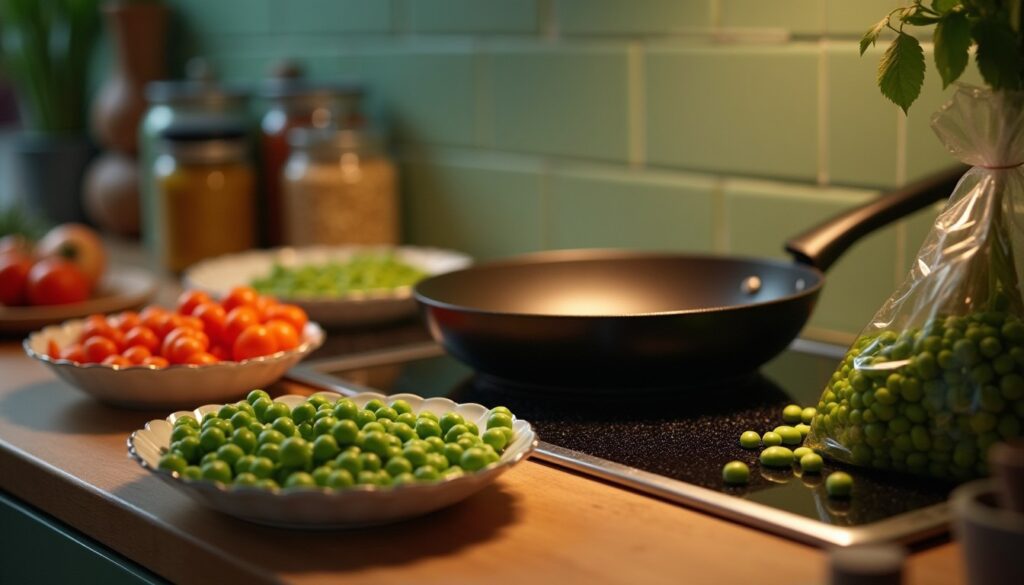
Chefs call it mise en place, and at home it simply means everything you need is chopped, measured and within reach before the first burner clicks on. Most weeknight stress comes from doing prep while something is already sizzling. Spend five minutes up front: pull out a large cutting board, a bowl for scraps, and small bowls for oil, spices and aromatics. Read the recipe once, start to finish, so no step surprises you.
Knife work is where the minutes hide. A dull blade slips and forces you to chop slowly. Hone it on a steel for a few strokes before you start, and have it professionally sharpened or use a pull-through sharpener a couple of times a year. Then use two cuts that cover most dinners. For onions, halve through the root, make horizontal and vertical cuts, and slice across for an even dice. For carrots, peppers and zucchini, cut one flat side first so the piece sits still on the board.
If you have the board out anyway, cut double. Sliced peppers and diced onions keep in a sealed container in the fridge for a few days, which turns tomorrow’s dinner into a two-minute prep job. Keep raw meat on a separate board, or prep vegetables first and meat last so you only wash up once.
Sequence One Pan So Everything Finishes Together
One-pan cooking fails when every ingredient goes in at once. Dense foods need a head start, delicate ones need less time than you think. On a sheet pan at 425°F (220°C), potato chunks and carrots go in first, and after about 15 minutes you add chicken thighs or sausages pushed to one side. Broccoli, green beans and asparagus join for the last 10 minutes. Cut pieces to similar sizes within each group, and leave space between them, because crowded food steams instead of browning.
The same logic works on the stovetop. Start with the aromatics in oil, add the protein, remove it once browned, cook the vegetables in the leftover fat, then return everything with a splash of stock or canned tomatoes. Those browned bits on the bottom are flavor you do not need to buy in a jar.
A kitchen timer helps more than your memory does. If you cook with a recipe on your phone, set staggered alarms for each addition, and take a look at smarter charging habits so the screen does not die while the oven is hot.
Three Weeknight Templates Under 25 Minutes
Sheet-pan sausage and vegetables (about 25 minutes). Heat the oven to 425°F. Toss sliced potatoes with oil and salt and roast for 10 minutes. Add sliced sausages and chopped peppers and onions, and roast 15 minutes more. Finish with a spoonful of mustard or a squeeze of lemon. Cooked sausages should reach 160°F (71°C) for pork or beef and 165°F (74°C) for chicken or turkey.
Rice-bowl stir-fry (about 20 minutes). Use rice cooked earlier in the week. Heat a wide pan until a drop of water skitters, then cook thin-sliced chicken or tofu in batches. Add your pre-cut vegetables, then a sauce of soy sauce, a little honey and grated garlic. Pile it over rice and top with a fried egg if you like.
Pantry pasta with beans (about 20 minutes). Boil pasta in well-salted water. While it cooks, warm olive oil with garlic and chili flakes, add a can of drained white beans and a spoonful of frozen tomato sauce, and mash a few beans to thicken it. Add a ladle of pasta water, toss in the noodles, and finish with grated cheese and any greens that need using up.
Each template is a pattern, not a recipe. Swap the protein, change the vegetable, and you have a new dinner with the same timing.
Freezer and Pantry Staples That Actually Get Used
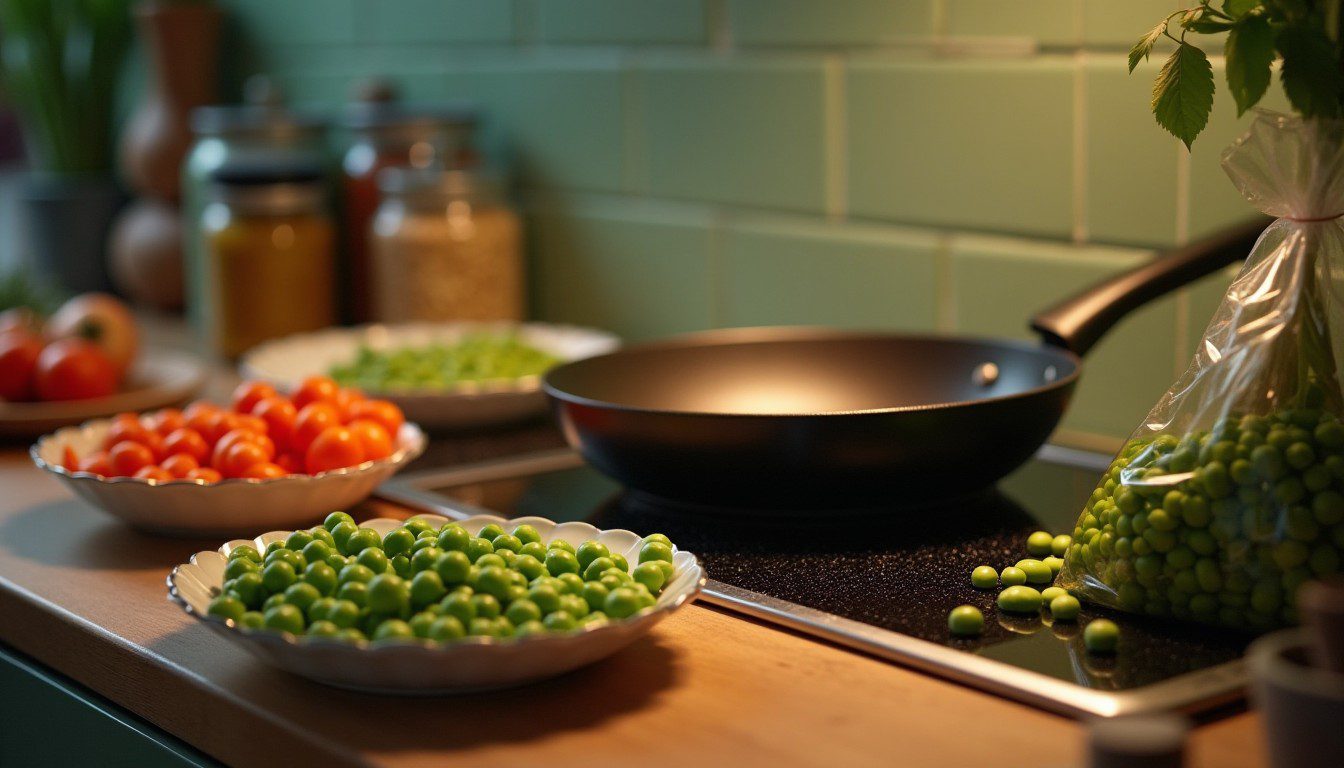
A stocked freezer only helps if you will reach for what is in it. Freeze things you already cook with: sauce in ice-cube trays, cooked rice flattened in zip bags so it thaws fast, grated ginger, chopped herbs in oil, and bread sliced before freezing. Bags of frozen peas, spinach and stir-fry vegetables cost little and need no chopping. Write the contents and the date on every bag with a marker, because unlabeled freezer packages are rarely cooked.
For the pantry, aim for a short list of flexible items: canned beans and tomatoes, dried pasta, rice, stock, soy sauce, vinegar, and a couple of spice blends you like. Check the shelves before you shop and build the week around what is nearly gone. For general guidance on balanced meals and food storage, Nutrition.gov’s government food and nutrition resources are a reliable place to start.
Cook to Safe Temperatures and Store Leftovers Properly
A cheap instant-read thermometer removes the guesswork. Poultry and reheated leftovers should reach 165°F (74°C), ground meats 160°F (71°C), and fish 145°F (63°C). Steaks and chops need 145°F plus a three-minute rest. Insert the probe into the thickest part, away from bone.
Leftovers have a clock. Get them into the fridge within two hours of cooking, and divide big pots into shallow containers so they cool quickly. Eat them within three to four days, or freeze them for longer storage. Thaw in the fridge overnight, in cold water, or in the microwave if you will cook right away, and never on the counter. Reheat soups and sauces until they steam and bubble. Rice deserves special care: cool it fast and refrigerate it promptly, since leaving it out is a common cause of food poisoning.
If you plan dinner late in the evening, easing screen eye strain at night makes checking recipes and timers less tiring. Pick one template this week, prep the vegetables the night before, and see how much calmer the evening feels.