home tech emergency kit is easier when you use a simple checklist instead of trying to fix everything at once. These steps are practical, low-risk, and designed for normal homes rather than perfect lab conditions.
What belongs in a home tech emergency kit
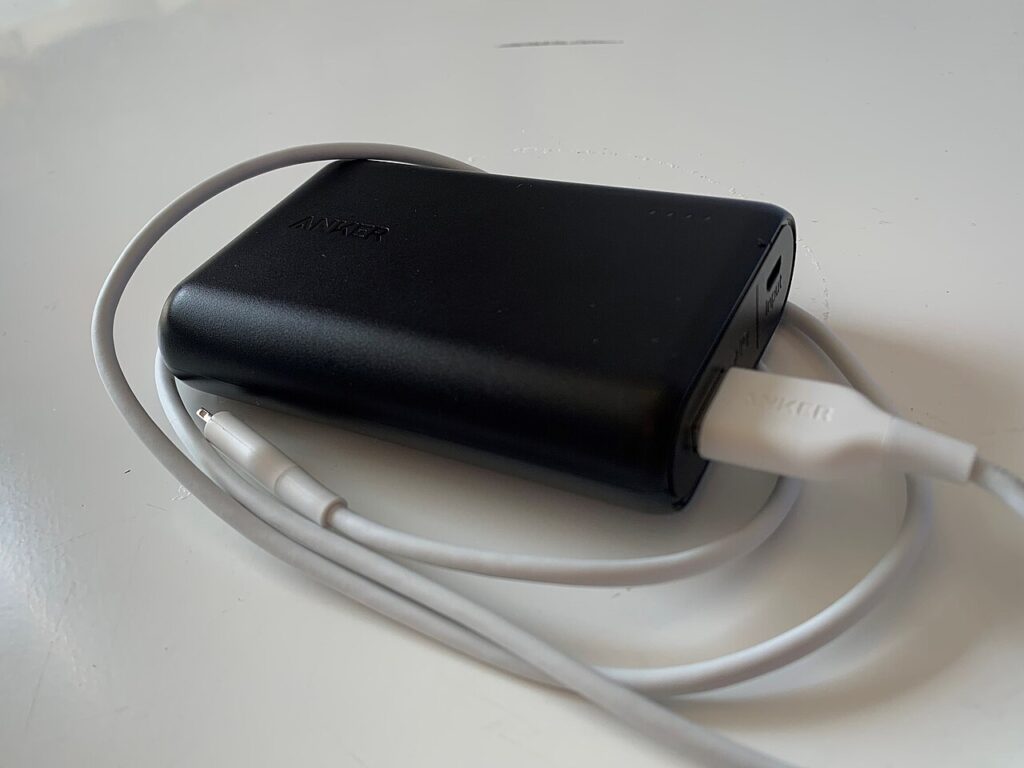
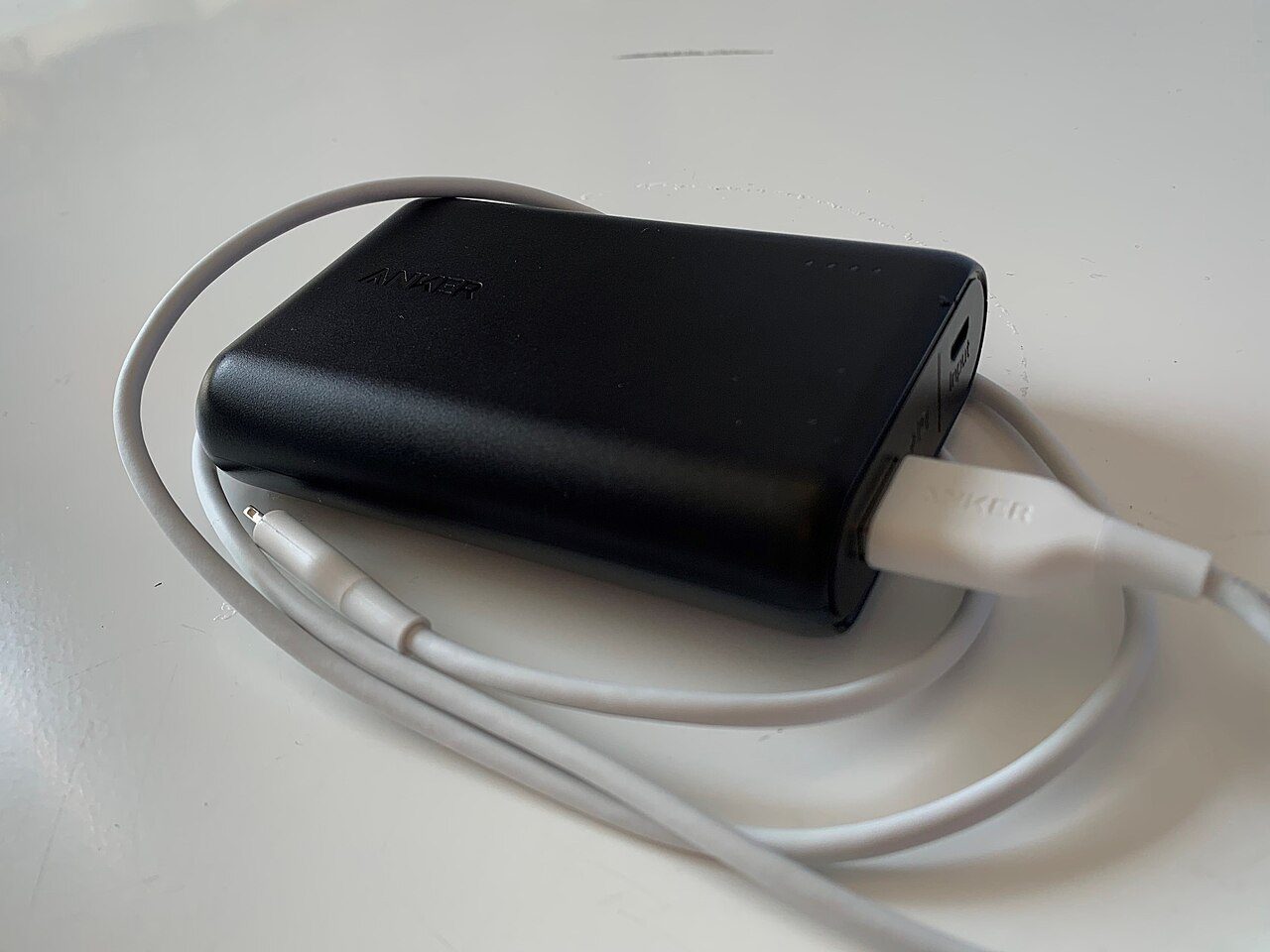
Start with a charged power bank, USB-C and Lightning cables if your home needs both, a wall charger, a small flashlight, spare batteries, and printed Wi-Fi details for trusted family members.
Add access and recovery notes
Include a sealed note that explains where backups live, how to contact your internet provider, and which account recovery email or phone number is current. Do not write full passwords on a loose sheet.
Keep the kit easy to grab
Use a small pouch or box and store it where adults can find it during a power cut. Do not bury the only flashlight in a drawer full of old adapters. Label cables so nobody has to test five cords in the dark.
Refresh it twice a year
Charge power banks, replace damaged cables, update recovery notes, and test the flashlight. Tie the review to daylight saving changes, school terms, or another calendar reminder you will actually notice.
Final check
Spend ten minutes applying the first step today, then set a reminder to review it again next month. Small maintenance habits prevent bigger problems and usually save more time than a rushed emergency fix.
For more practical guides, visit the Tips & Tricks homepage and bookmark the tips that fit your devices.