A smart plug is easy to buy and easy to misuse. People sometimes expect it to magically lower every electricity bill, then feel disappointed when nothing changes. The truth is simpler: smart plug energy savings depend entirely on whether you connect the right device and automate it in a way that matches your real routine.
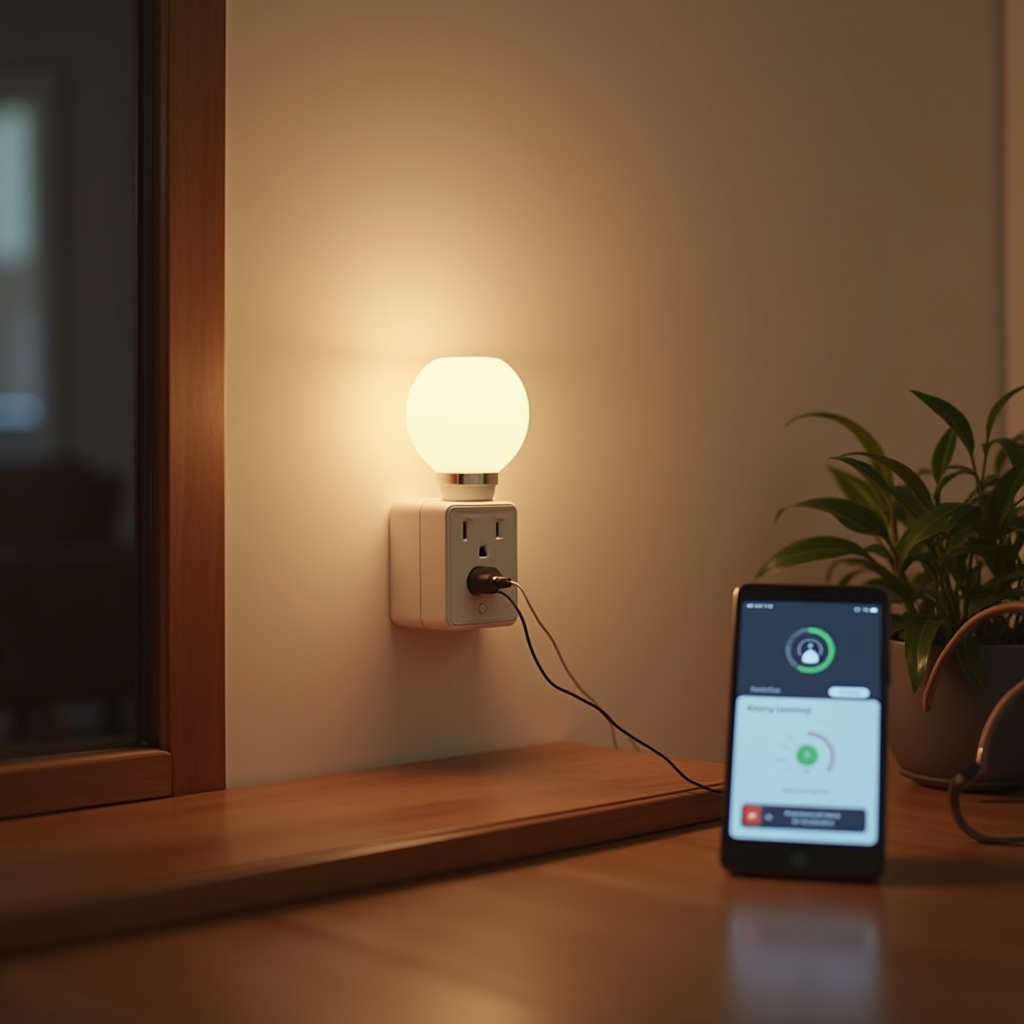
That is good news, because once you focus on the right targets, the savings become practical and measurable. You do not need to turn your house into a science experiment. You just need to stop a few devices from wasting power when nobody is benefiting from it.
Smart plug energy savings work best on repeat waste
Look for devices that stay on or in standby every day even though you only use them at certain times. Fans, decorative lights, chargers, entertainment gear, and office accessories are common examples. If something draws power for long stretches while doing almost nothing useful, it is a strong smart-plug candidate.
On the other hand, do not expect miracles from equipment that already sleeps efficiently or needs constant power to work properly. The easiest way to get better results is to choose a few predictable devices and build a schedule around your real day, not around an ideal version of yourself that never forgets anything.
Use schedules that follow your household rhythm
A schedule is where smart plugs start earning their keep. Maybe the router-side desk lamp only needs power in the evening, or the coffee corner fan only needs to run during the hottest hours. When the plug follows a schedule, you stop paying attention to the chore and still get the benefit every day.
You can also create away-mode routines for lighting when you travel, but the biggest budget wins usually come from ordinary repeated use. Small automations are powerful because they happen whether or not you remember them. That is how tiny savings become noticeable over a month or a season.
- Target devices with clear on and off periods.
- Use schedules before relying on manual app control.
- Check after one week whether the automation matched real life or needs a small tweak.
Measure results instead of guessing
Some smart plugs include energy monitoring, which makes decision-making much easier. If yours does, compare a normal week before automation with a week after automation. Even rough numbers help because they show whether the plug is controlling a meaningful load or just giving you a nice dashboard with very little actual payoff.
If your plug does not measure energy, use observation. Ask which devices now shut off reliably, which rooms feel less cluttered, and whether you are avoiding all-night standby on things that did not need it. Pair this with our avoidable fee checklist if you want a broader money-saving week at home.

Keep safety and common sense in the loop
Not every appliance belongs on a smart plug. Avoid using one where a manufacturer warns against remote switching, and be careful with heaters or other high-load devices unless the plug is explicitly rated for that use. Convenience should never outrank safety.
The best smart-plug setup feels boring in a good way. It quietly turns off what wastes money, turns on what helps at the right time, and does not create new worries. That is the sweet spot: fewer little leaks in the monthly budget with almost no extra effort from you.
If you want smart plug energy savings that actually show up in daily life, start with one wasteful habit you can automate this week and measure the result.
For more simple money-saving home ideas, visit tips-tricks.net and pick one practical fix at a time.