Water bills creep up quietly, and most of the waste happens in habits we don’t think about. The good news: you can save water at home with a set of low-effort changes that barely touch your comfort but noticeably lower the monthly number, and many of them cost nothing but a change in routine.
Fix the leaks you’ve stopped noticing
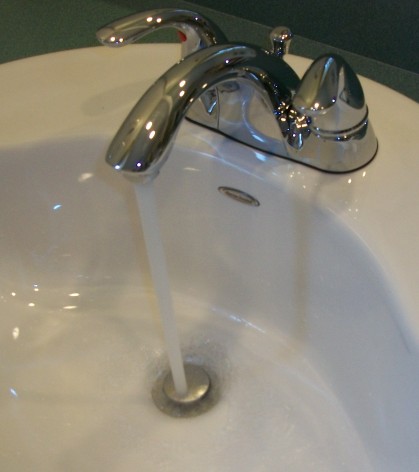
A dripping faucet can waste hundreds of gallons a month, and a silently running toilet can waste thousands. Drop a little food coloring in the toilet tank; if color shows up in the bowl without flushing, you have a leak worth fixing. Tightening a supply line or swapping a two-dollar flapper often solves it in minutes.
Listen for the slow drip you’ve learned to ignore. That one habit — actually fixing it — is the fastest way to save water at home without changing any behavior at all, and it pays back the cost of the repair on the very next bill.
Easy ways to save water at home in the kitchen
Turn the tap off while brushing your teeth or scrubbing dishes; a running tap wastes up to eight liters a minute. When hand-washing, fill one basin with soapy water and one with rinse water instead of letting it run. Small shifts like these add up fast across a household of people.
Run the dishwasher only with full loads. A half-load uses nearly the same water as a full one, so waiting an extra day is pure savings. Modern dishwashers also use far less water than washing by hand — let the machine do it once it’s full rather than pre-rinsing every plate under a stream.
Time your outdoor watering
If you have a yard, water early morning or late evening so less evaporates in the midday sun. A simple timer on the hose prevents the “I’ll turn it off in a minute” that becomes twenty. Consider a rain barrel to capture free water for plants and cut the metered amount you use outdoors.
Match sprinklers to the space — a misaimed spray watering the driveway is money down the drain. Adjust heads so the water lands on grass and beds, not pavement, and you’ll see the difference in both your lawn and your statement.
Rethink your laundry routine
Wash full loads and choose the eco or quick cycle when clothes aren’t heavily soiled. Most modern machines clean fine on cold, which saves energy on top of water. Skipping the extra rinse is another easy cut that rarely affects results.
If you’re replacing a washer anyway, compare the water factor on the label — the difference between two models can be thousands of gallons a year, which adds up long after the purchase is forgotten.
Swap in efficient fixtures
Low-flow showerheads and aerating faucet attachments cost little and cut flow without feeling weak. If you’re replacing appliances, choose water-efficient models — the label tells you the annual savings upfront so you can weigh it against the price.
Catch the hidden water waste
Some of the biggest losses are invisible. A toilet that refills silently can run all day, and an old irrigation valve that weeps overnight adds up fast. Walk the house once a month with an eye for damp spots, condensation, or a meter that keeps ticking when everything is switched off.
If your water bill jumps without a clear reason, treat it as a clue. Compare month to month and investigate a spike before blaming the weather. Catching a hidden leak early is often the difference between a small fix and a ruined floor or a four-figure bill.
A cheap leak-detection strap on a supply line, or a smart shutoff valve, can alert you the moment something drips. You don’t need the fancy version — even a periodic glance at the meter before bed teaches you what “normal” looks like, so an anomaly immediately stands out.
Pair these habits with our guide to lowering monthly bills and kitchen habits that save money. Find more at our tips and tricks homepage.
The EPA’s WaterSense program lists certified fixtures, and Energy Star covers the appliance side of the savings.