
Small home habits are the secret to a house that stays tidy without marathon cleaning sessions every weekend. Instead of letting mess pile up and then attacking it in an exhausting burst, a few tiny routines stop the daily clutter before it ever starts.
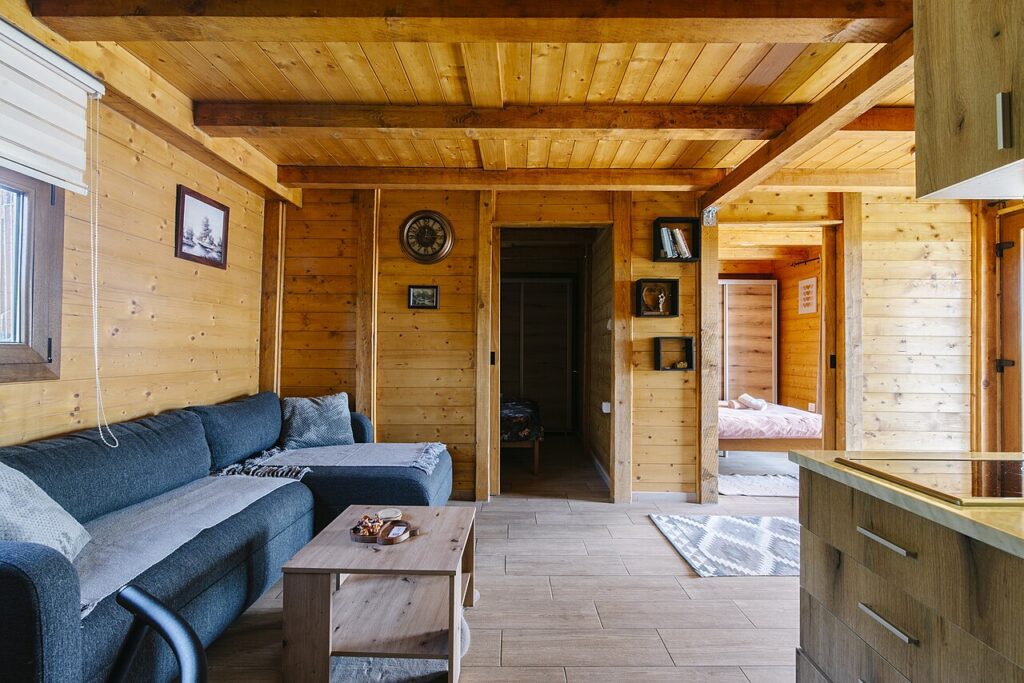
Home Habits That Stop Clutter at the Door
Most mess enters your home through a handful of predictable choke points, so that is where good home habits begin. Set up a landing zone by the entrance with a tray for keys, a hook for bags, and a spot for shoes. When everything has an obvious home the moment you walk in, it never migrates onto the kitchen counter or the sofa.
Deal with mail immediately instead of letting it stack. Recycle junk on the spot, and put bills or letters that need action into a single tray. This one-touch approach means paper never becomes the drift of clutter that quietly takes over flat surfaces.
The One-Minute and Two-Minute Rules
The most reliable tidiness habit is the two-minute rule: if a task takes less than two minutes, do it now. Rinsing a plate, wiping a spill, or hanging a coat costs almost nothing in the moment but saves a huge cleanup later. Multiply that across a day and your home simply never reaches the tipping point.
- Make your bed within a minute of getting up to set a tidy tone.
- Wipe the bathroom sink after brushing your teeth.
- Do a quick counter sweep before bed so mornings start clean.
- Return one item to its proper place every time you leave a room.
These micro-actions work because they piggyback on things you already do. Attaching a small tidy-up to an existing routine, like wiping the counter while coffee brews, makes it effortless to sustain. If mornings are your weak spot, our guide to morning routines shows how to stack these habits into a calm start.
Reset Routines That Keep Rooms Calm
A nightly reset is the anchor of tidy home habits. Spend ten minutes before bed walking through the main living areas, returning stray items, fluffing cushions, and clearing surfaces. Waking up to an ordered space lifts your mood and removes the low-grade stress of visible mess.
Give every category of stuff a designated place so tidying is a matter of returning things, not deciding where they belong. When items lack a home, they end up in piles; when they have one, cleanup becomes automatic. If your cupboards and drawers are the real problem, our advice on how to declutter your home tackles the excess at its source.
The kitchen deserves special attention because it generates mess fastest. Clean as you cook, keeping a bowl for scraps and washing tools between steps, and the after-dinner cleanup shrinks to minutes. Pairing tidy habits with efficient kitchen shortcuts keeps the busiest room in the house under control.
Share the Load With the Whole Household
Tidy home habits work best when everyone pulls in the same direction. If one person carries all the cleanup, resentment builds and the routines eventually collapse. Assign simple, age-appropriate jobs so each member of the household owns a small piece of keeping the space calm, from clearing their own plate to putting laundry straight into the basket.
Make the shared expectations visible and easy, not naggy. A quick five-minute family tidy before bed, done together, resets the whole home in a fraction of the time it takes one person alone. When tidiness becomes a group rhythm rather than one person’s burden, the habits stick far more reliably and the house stays consistently pleasant to live in.
Make the Habits Stick
The key to lasting home habits is starting absurdly small. Do not try to overhaul your entire routine overnight; pick one habit, like a nightly counter wipe, and repeat it until it feels automatic. Only then layer on the next one. Consistency beats intensity every time.
It also helps to make tidiness convenient. Keep cleaning supplies where you use them, put a small bin in every room, and remove friction wherever you can. The easier a habit is to perform, the more likely you are to keep doing it without thinking.
Behavioral science backs this up: tiny, repeated actions build lasting change more effectively than willpower alone, a principle explored in research on habit formation. Adopt a few of these small home habits and your house will stay calm, welcoming, and mess-free with a fraction of the effort you spend now.
Getting more from home habits
The fastest win is to make home habits part of your normal routine. Most people overlook home habits until they actually try it, then wish they had started sooner. Pick one home habits tip from above and put it to work this week.