Phone public charging safety tips can solve a real everyday problem when you set things up carefully instead of rushing through the defaults. This guide keeps the advice practical, clear, and focused on actions that ordinary people can actually use.
Why public charging feels convenient but deserves caution
An almost-dead phone in an airport, hospital, or mall creates instant urgency. When battery anxiety kicks in, people plug into the first cable or USB port they see. Most of the time nothing dramatic happens, but convenience can hide avoidable risks such as data exposure, damaged ports, or simply relying on untrusted hardware when your phone is unlocked and distracted.
Good phone public charging safety tips are less about fear and more about preparation. If you know the safer options ahead of time, you make better choices when your battery is at three percent and your patience is gone.
Phone public charging safety tips to use first
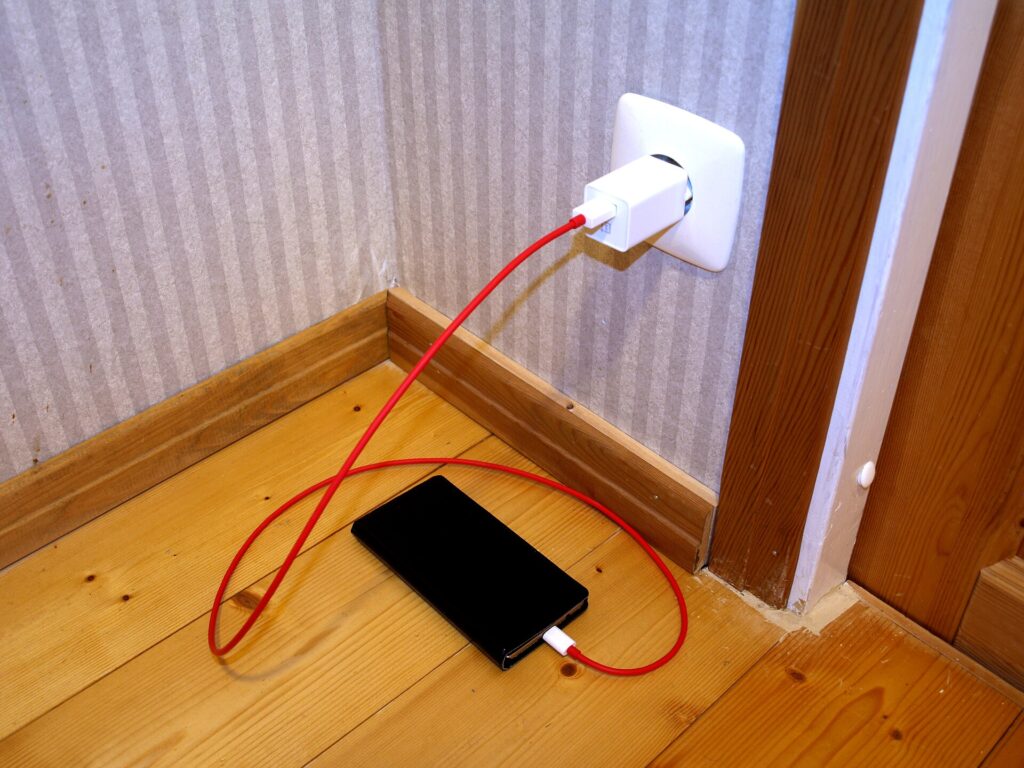
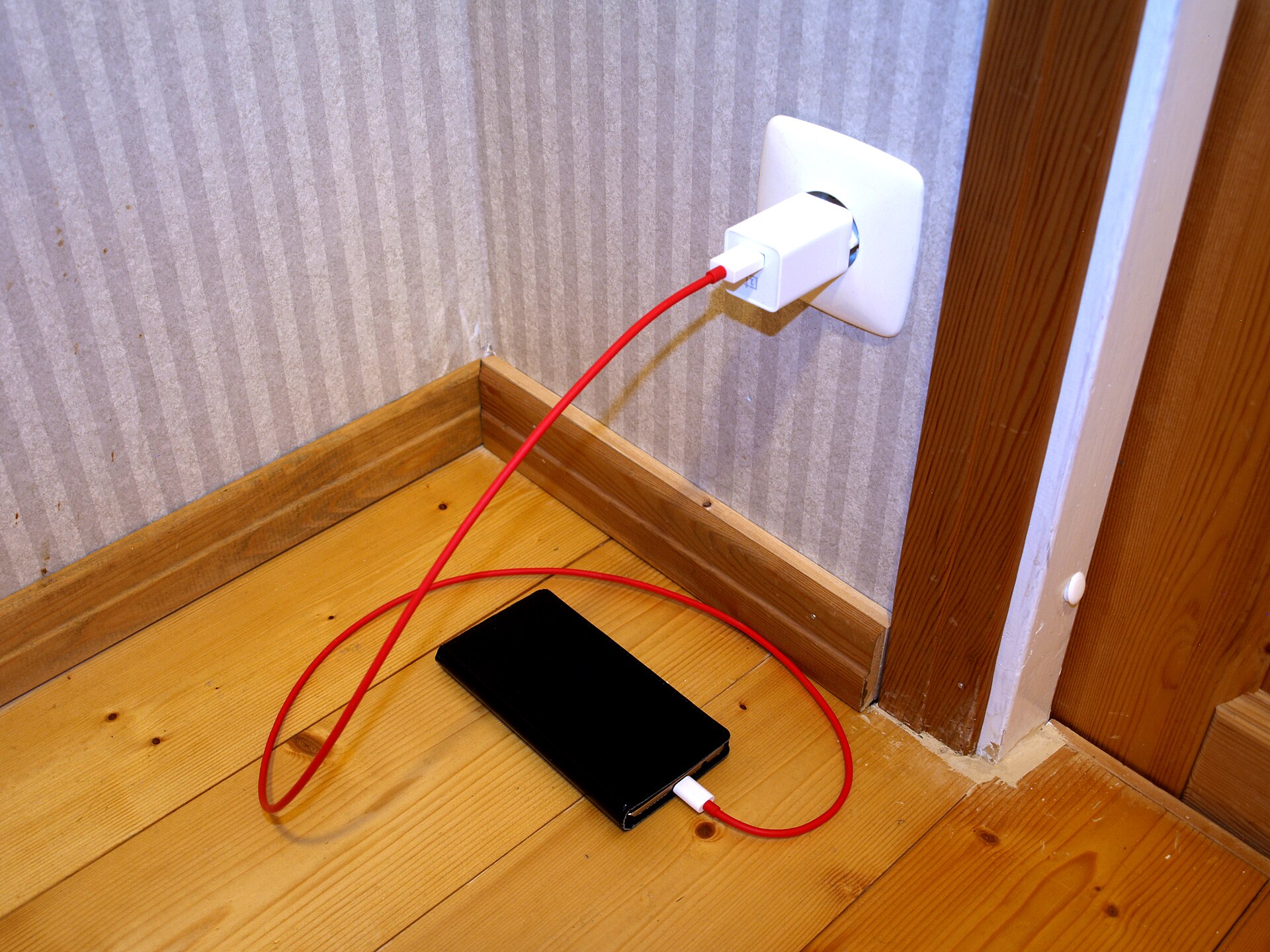
Your safest routine is simple: bring your own charger or power bank whenever possible and prefer plugging your own adapter into a wall outlet over using a strange USB port. A wall outlet only supplies power; a public USB port may also expose a data path depending on the setup.
If you must use a public charging point, lock the phone before connecting and do not approve any trust, file transfer, or accessory prompts unless you fully understand them. Keep the device in your sight, because physical tampering is often a more realistic threat than Hollywood-style hacking. The US Federal Communications Commission has public-facing consumer guidance worth reading here: FCC mobile charging safety guidance.
Carry a short, reliable cable that you know works. Cheap damaged cables create their own headaches through overheating, intermittent charging, and connector stress. Bad accessories make people blame the phone when the real problem is the cable they grabbed from the bottom of a bag.
How to prepare for low-battery situations before they happen
Turn on battery-saving features before you are desperate. Lower screen brightness, disable hotspot use, and close heavy apps when you leave home for a long day. That small discipline reduces the odds that you will need emergency charging from an unknown source in the first place.
A compact power bank is often the best travel upgrade for phone safety. It gives you control over both the hardware and the timing. Even a modest-capacity bank is enough to avoid the worst public-charging choices during delays or long commutes.
It also helps to store emergency contacts, tickets, and directions in ways that remain accessible offline. When people depend on a nearly dead phone for every detail of the trip, they make rushed charging decisions they would otherwise avoid.
What to do if a charging session feels suspicious
If the phone suddenly asks for strange permissions, shows connection prompts you did not expect, or behaves oddly after using a public charger, disconnect it and restart the device. Review recent USB settings, check for unknown accessories, and change critical passwords later from a trusted network if anything truly seems off.
For more mobile safety advice, start from Tips-Tricks and read our posts on cleaning your phone charging port safely and stopping phishing text scams. Strong habits work best when they cover both physical and digital weak points.
The smartest phone public charging safety tips are not dramatic. Bring your own power, slow down when prompts appear, and avoid turning a low battery into an avoidable privacy or device problem.
Travel adapters and wall plugs deserve the same scrutiny. A loose, overheated, or counterfeit adapter can create reliability and safety problems that look like phone issues. Using one charger you trust is usually better than accepting whatever accessory is sitting in a public waiting area.
It is also smart to keep a little battery reserve for the trip home instead of running every app freely once you top up. Many people waste the emergency charge immediately on bright screens, streaming, or hotspot use and then end up back at the same risky charging station an hour later.
If you only remember one thing from this guide, remember this: phone public charging safety tips works best when you pick a few repeatable actions and actually use them every week. Fancy tools matter less than consistent habits, a quick monthly check, and a plan that still makes sense when you are tired, busy, or under pressure.