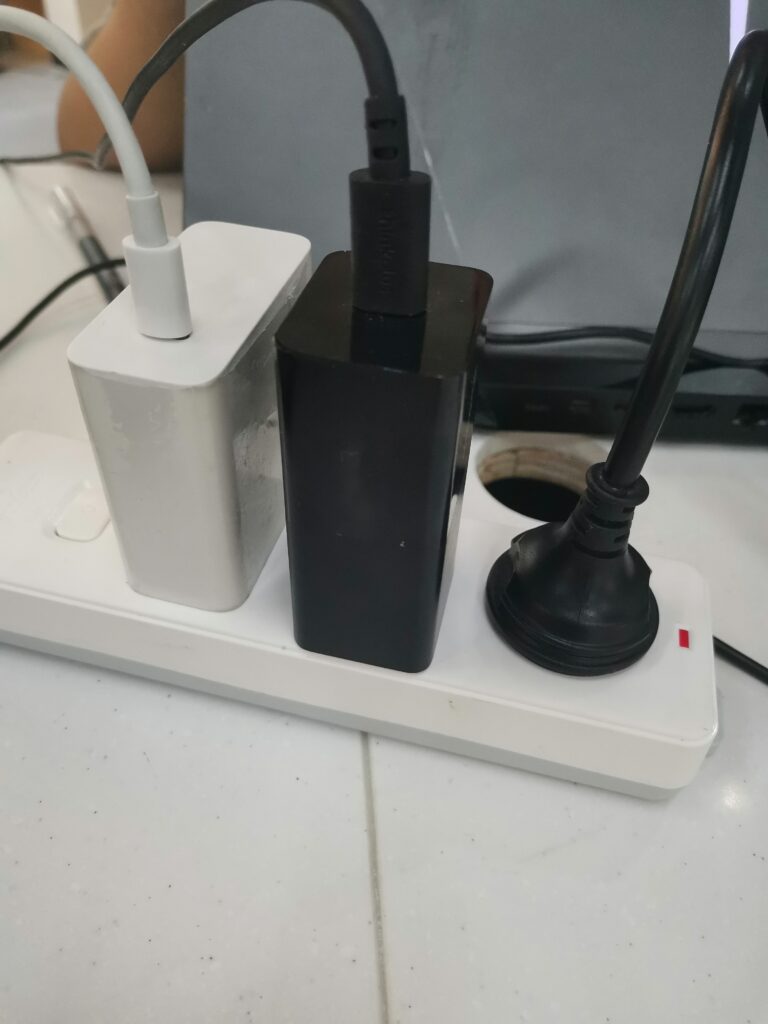
Power strip vs surge protector sounds like splitting hairs until you plug in something expensive. On the shelf, both products can look almost identical: a row of outlets, a switch, and a cord. But one mainly gives you more places to plug things in, while the other adds a layer of defense against voltage spikes. If you use them interchangeably, you can either overspend on protection you do not need or underprotect devices you really care about.
Power Strip vs Surge Protector in One Simple Sentence
A power strip expands one wall outlet into several outlets. A surge protector does that too, but also tries to absorb or divert damaging voltage spikes before they reach your electronics. That is the real difference. The confusing part is that many surge protectors also look like ordinary strips, so people assume every strip protects by default. It does not.
The fastest clue is the label. A real surge protector usually lists a joule rating and may mention protection indicators or connected-equipment policies. A plain strip often says little beyond outlet count and switch rating. If the packaging never mentions surge protection, assume you are buying convenience, not defense.
When a Basic Power Strip Is Completely Fine
A plain power strip works for low-risk, low-cost items that mainly need extra outlets. Lamps, simple chargers, and small appliances are common examples. You are not asking the strip to defend fragile electronics; you just need cleaner cable management and an easy switch. In those spots, buying a surge protector for every corner of the house can be overkill.
Even then, the strip still needs to be used sensibly. Do not overload it with high-draw heaters or extension-on-extension daisy chains. Give it room to breathe, keep it dry, and replace it if the cord looks damaged. Basic strips are handy, but they are not magic adapters that make any outlet safe for any device.
When Surge Protection Is Worth the Extra Money
Use surge protection for computers, TVs, consoles, routers, printers, and anything else that would be annoying or expensive to replace. These devices are more vulnerable to spikes from storms, grid issues, or even large appliances cycling on and off in the home. A decent surge protector is much cheaper than losing a modem, monitor, or desktop motherboard in one ugly moment.
Keep expectations realistic, though. Surge protection is helpful, not invincible. It reduces risk; it does not promise immortality. After a major surge event, some protectors do their job once and need replacement. That is why the protection light matters. If the indicator says protection is gone, the strip may still power devices while offering no real defense.
That detail catches a lot of people. They see working outlets and assume protection still exists. In reality, the surge components can wear out quietly over time, especially in storm-prone areas. Checking the status light once in a while is a tiny habit that protects far more money than it costs.
Shopping Checks That Save Regret Later
Look at outlet spacing, cord length, joule rating, and whether the unit has an indicator light you will actually notice. Wider blocks are useful if your chargers are chunky. A too-short cord creates instant frustration. If the protector will sit behind a desk for years, pick something sturdy instead of the absolute cheapest option. That is especially true if it will carry your router, work laptop, and phone chargers day after day.
Finally, match the tool to the job. Use a basic strip when you just need extra plugs for simple gear. Use a surge protector when the device matters enough that you would be upset to lose it. That one decision clears up most of the confusion and keeps your shopping trip short.
If you buy online, zoom in on the label photo instead of trusting the product title alone. Sellers sometimes call almost any strip a protector, and the fine print tells the real story.
Related reads
- Tips & Tricks homepage
- Phantom Power Waste: Cut the Bill You Never Notice
- Smart Plug Energy Savings That Actually Lower Standby Power
Belkin explains common protection labels in its surge protector FAQ. APC also has a plain-language power strip versus surge protector guide if you want a second opinion before buying.