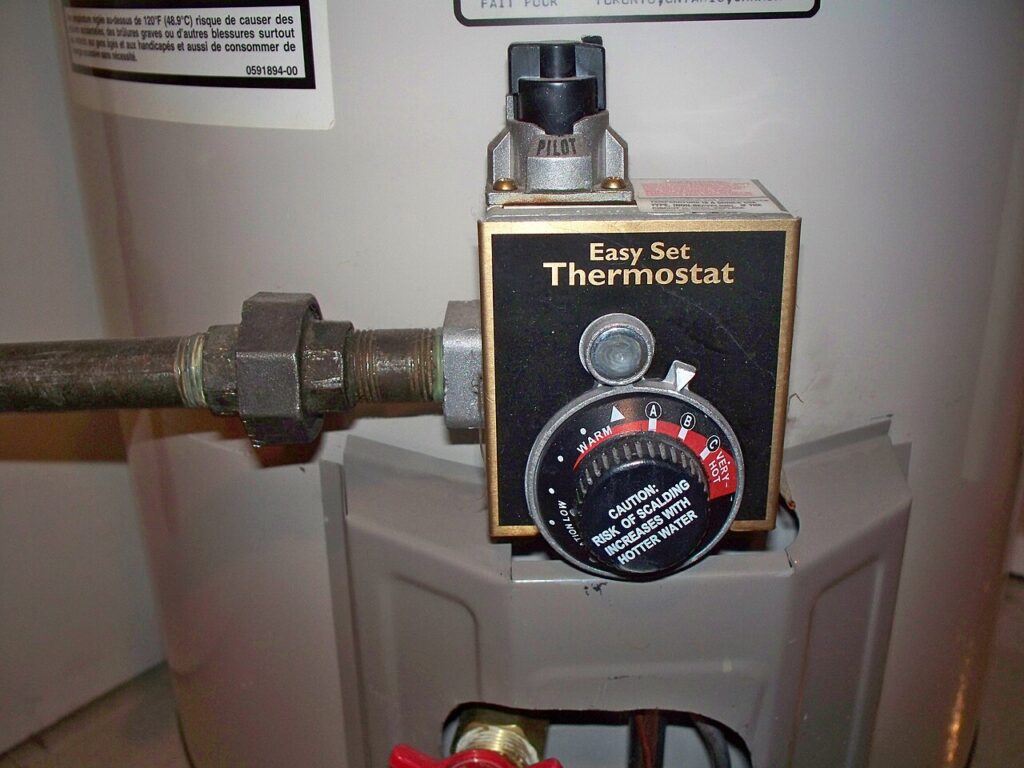
Lower water heater temperature safely and you can shave off wasted energy without making the house miserable. Water heating quietly eats a noticeable chunk of many utility bills, yet most people never touch the setting after move-in day. The thermostat stays wherever the last person left it, sometimes hotter than necessary. That can mean extra standby loss, higher scald risk, and money spent keeping water hotter than your household ever really needs.
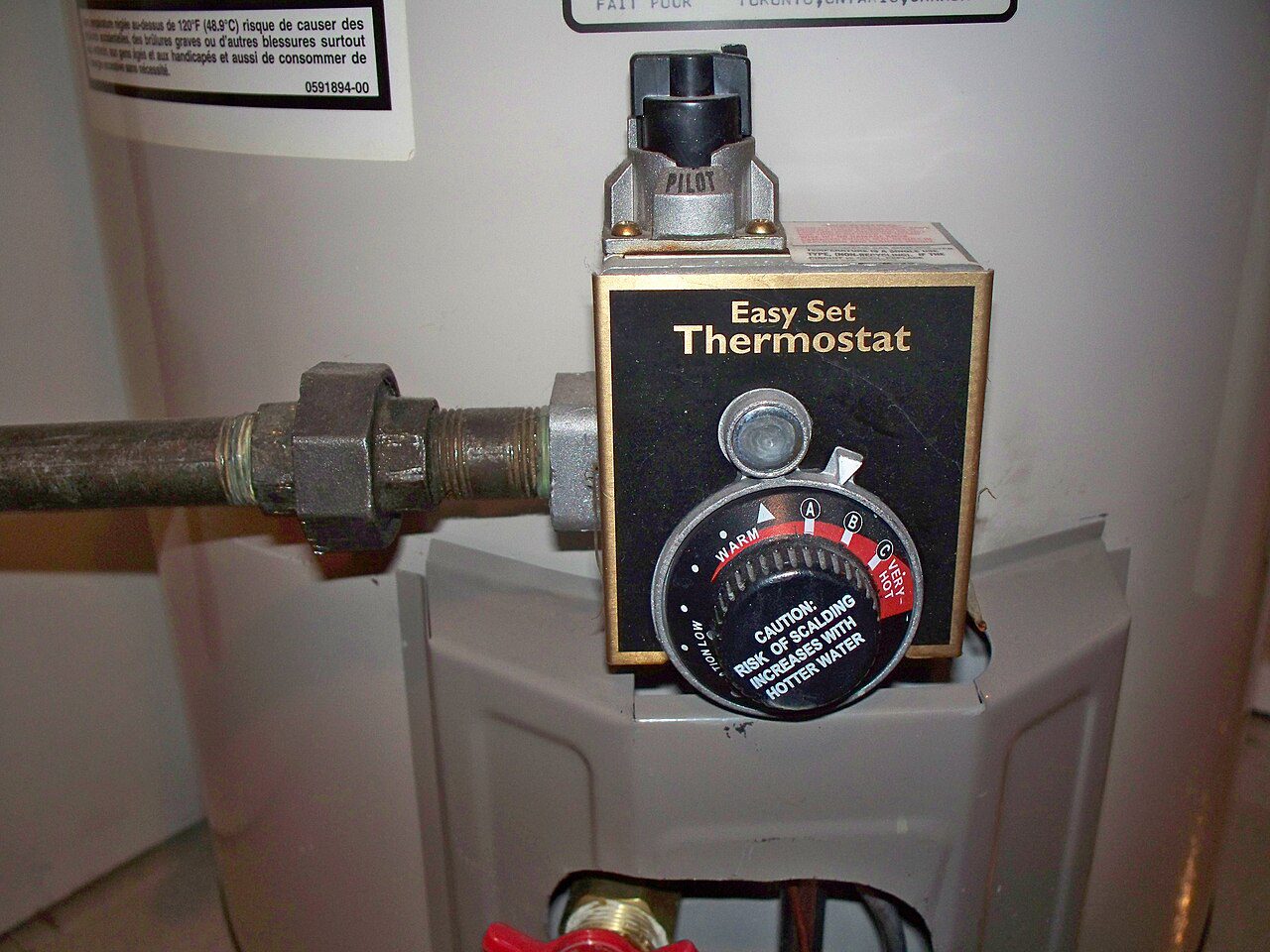
This is not a job for wild guesswork, though. Water that is too hot can burn, and water that is too cool can create hygiene problems or leave the home frustrated every morning. The smart move is a careful adjustment, a quick test, and a little observation over the next few days.
Lower Water Heater Temperature Safely by Making a Small Change First
The best first move is modest. If you can read the dial clearly, step it down one small notch instead of going from “hot” to “barely warm” in a single leap. If the heater shows actual degrees, many households aim around 120°F, but check your model and your household needs before treating that as universal law. ENERGY STAR’s water heater guidance and its broader efficiency product resources are useful references here.
After the adjustment, give the system time to settle. Then test the hot water at a tap you use often. Do not trust your hand alone if you are making a meaningful change. If you have a simple kitchen thermometer, use it. That little check removes a lot of guesswork.
A careful small change also helps you notice whether another issue is hiding in the background. If one bathroom stays much cooler than the rest, the problem may be distance, pipe insulation, or fixture mixing rather than the heater setting itself.
Think About Your Household, Not Just the Utility Bill
Households are different. A home with very young children, older adults, or anyone with slower reaction time has extra reason to avoid overly hot water because scalds happen fast. On the other hand, a large household with a heavy shower schedule may need a different balance so everyone still gets enough hot water when the day gets busy.
Dishwashers and washing machines also change the picture. Many modern machines heat water internally or work well at lower temperatures, which makes a slightly lower heater setting easier to live with than it used to be. Still, it is worth knowing how your own appliances behave before making big assumptions.
If you are tackling several bill-cutting habits at once, our articles on cold water laundry savings and reducing your electricity bill fit nicely with this one. Small utility changes add up better than people expect.
Fix the Habits That Waste Hot Water Before You Chase Fancy Upgrades
A lower setting helps, but it is not the whole game. Long showers, dripping hot taps, poorly insulated hot-water pipes, and a tank sitting warm all day for very light use can waste more than the thermostat alone. If hot water takes forever to reach a far bathroom, part of your bill may be tied to the wait rather than the target temperature.
That is why this adjustment works best as part of a small bundle of common-sense changes. Shorter showers, fixing a leak promptly, and washing many loads on a sensible schedule are not glamorous, but they make the heater work less. If your tank and nearby pipes are accessible, insulation can help too, especially in cooler areas of the house.
None of this requires perfection. You are not trying to turn the house into a laboratory. You are just trying to stop paying for heat that no one benefits from.
Watch for the Signs That You Went Too Far or Not Far Enough
Over the next several days, pay attention to comfort, shower recovery time, and kitchen use. If the hot water runs out much faster than before, you may have dropped too low for your household size. If nobody notices the change except the bill later, that is the sweet spot. Sometimes the right answer is one notch lower than before, not a dramatic reset.
Also remember that older heaters may not behave precisely. One dial position does not always equal the same water temperature across brands or even across tanks of the same age. That is another reason testing beats guessing.
Lower water heater temperature safely, and you get a rare home-maintenance win: it is quick, cheap, and useful almost immediately. Make a small adjustment, confirm the result, and let the heater work a little less hard for the same daily comfort. That is exactly the sort of quiet savings habit that sticks because it does not ask much from you after the first ten minutes.