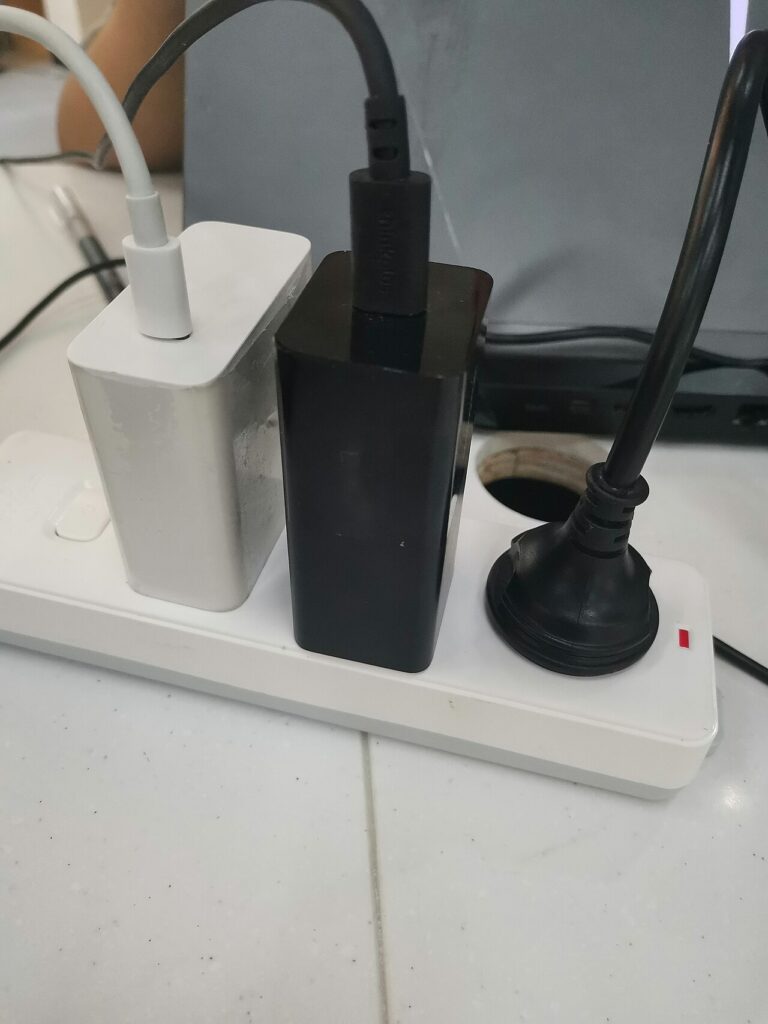

Good power strip safety tips are not just for tidy people or nervous homeowners. They matter because power strips quietly collect the devices we use every day: chargers, lamps, routers, fans, speakers, and kitchen gadgets. The trouble starts when one strip becomes the default answer for everything. That is when heat builds up, cords tangle, and people stop noticing the warning signs right in front of them.
The goal is not to fear every extension block. It is to use the right strip in the right place, keep high-draw appliances off lightweight strips, and spot damage before it turns into a real hazard. If you enjoy practical home-saving advice, you can always browse the Tips & Tricks homepage, and our post on phantom power waste is a helpful follow-up once your setup is safe.
Start with the most important power strip safety tips
Read the label on the strip. Many people never do. You want to know the maximum load and whether the product is intended only for low-power electronics. Phone chargers, routers, and desk lamps are usually fine together. Space heaters, microwaves, kettles, air fryers, and hair dryers are a different story. High-heat appliances should usually go straight into a wall outlet unless the manufacturer clearly says otherwise.
Trusted safety guidance from the National Fire Protection Association and basic electrical safety tips from ESFI make the same point: power strips are not all-purpose substitutes for permanent wiring. If a single strip is feeding half a room, that is a clue to scale back.
Know which devices should not share one strip
A power strip is happiest with modest, steady loads. Trouble grows when you combine heat-producing appliances or pile several adapters into a cheap strip under a couch or bed. Heat has nowhere to go there. Keep strips visible and ventilated. If a plug feels hot when you remove it, pay attention. That is not normal wear; that is a warning.
Also avoid plugging one power strip into another. People call it daisy-chaining, and it is common in crowded desks and entertainment centers. It looks neat for a week and risky after that. If you need more outlets, use a better single strip or rethink what actually needs to stay plugged in all the time.
Place cords where they stay cool and undamaged
Route the strip and its cord so they do not get pinched by furniture, rubbed by chair wheels, or covered with rugs. A hidden cord can overheat without anyone noticing, and a damaged outer jacket is a fast way to shorten the life of the strip. Moisture matters too. Unless a product is clearly rated for that environment, do not use an indoor strip in a bathroom, laundry area, or outdoor spot.
Dust can also become part of the problem. A strip behind a TV stand or desk collects fluff over time, which traps heat and makes inspection less likely. Put a recurring reminder on your phone to check and wipe around high-use outlets every few months. It takes less time than hunting for a breaker after a problem.
Replace old strips before they fail dramatically
Cracks, loose outlets, flickering power, scorch marks, and a reset switch that behaves oddly all mean the strip is telling you its working life is over. Replace it. A power strip is not a forever purchase. Surge protectors also wear out internally over time, even if they still look fine on the outside. If the indicator light is gone or the strip has survived several rough outages, a fresh unit is cheap insurance.
This is especially true in homes where the same strip has migrated from room to room for years. By the time people notice the casing is yellowed or warped, the strip has often been overloaded more than once already.
Small habits make the biggest difference
The best power strip safety tips are not fancy. Match the strip to the load, keep heat-producing appliances off it, avoid daisy-chaining, and replace damaged strips early. Those four habits cover most of the real risk people face at home.
Once you set up outlets with a little more intention, you get two wins: a safer room and an easier time cutting wasted power from devices that never needed to stay on around the clock.