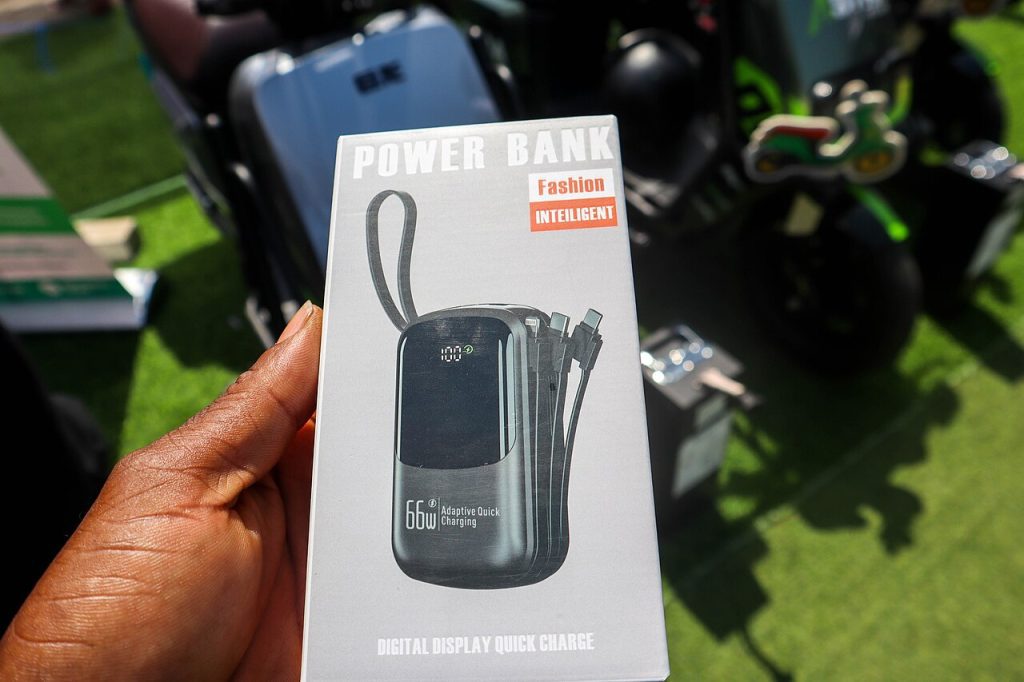
A power bank looks like a simple brick with a USB port, but two units at the same price can behave completely differently. One tops up your phone in an hour; the other trickles for four hours and dies at 40 percent. If you want a power bank that actually charges your phone quickly, ignore the big mAh number on the box and look at four things instead: real usable capacity, output wattage, the cable, and the safety markings.
Check the real power bank capacity, not the marketing number
Every power bank advertises its cell capacity, but the number that reaches your phone is always lower. Converting a 3.7V cell to the 5V or 9V your phone wants loses roughly 30 to 40 percent to heat and conversion. A 10,000mAh power bank usually delivers about 6,000 to 6,500mAh of usable charge, which is one full top-up for most modern phones.
That is why a 20,000mAh unit that claims to fill your phone five times is stretching the truth. Divide the advertised capacity by 1.6 and you get a realistic estimate of how much your phone will actually receive.
Match the output wattage to your phone
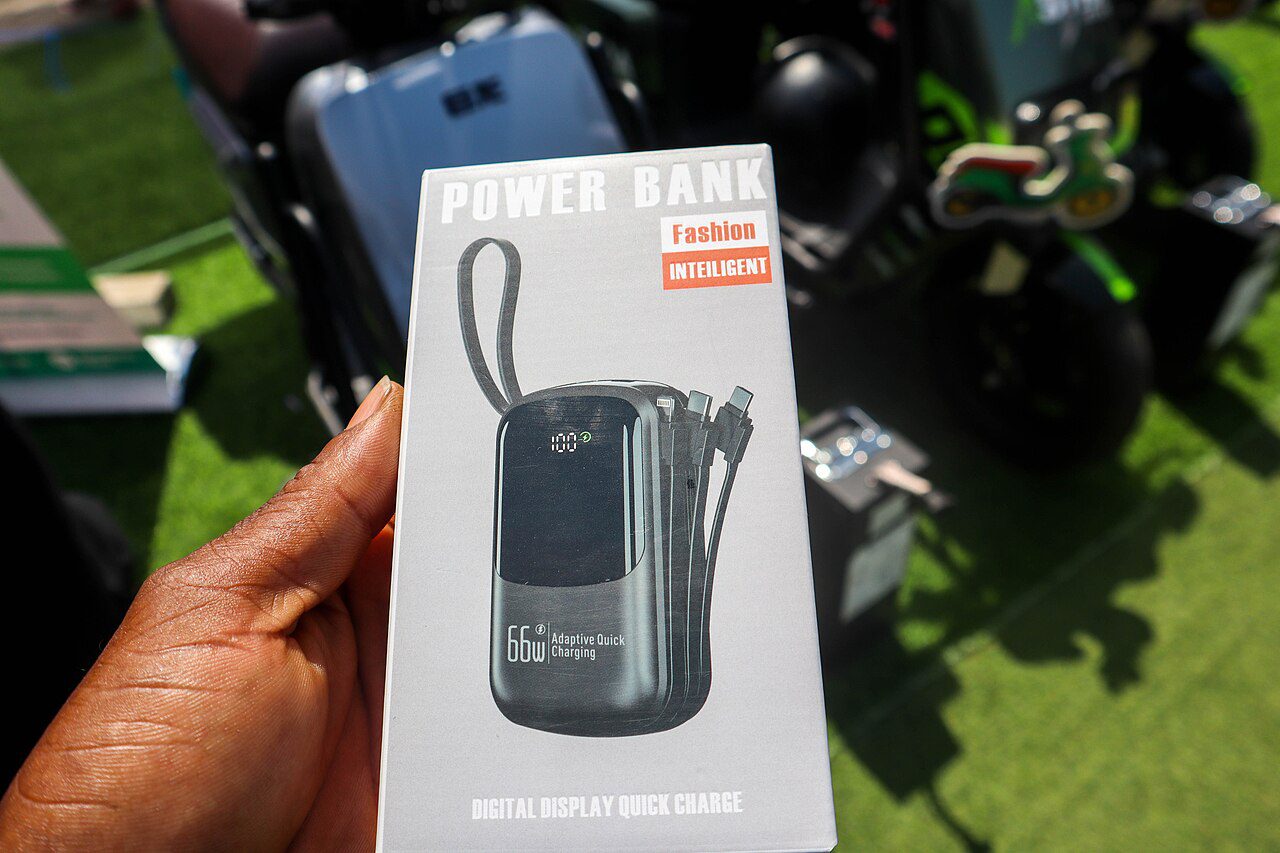
Wattage decides speed. Multiply volts by amps: 5V at 2A is 10W, 9V at 2A is 18W, and 20V at 3.25A is 65W. A phone that supports 25W fast charging will only charge fast from a port that negotiates that power. Plug it into an old 5V 1A port and you get a slow, warm trickle.
- 10W or less: fine for earbuds, a torch, or an emergency top-up overnight.
- 18W to 30W: the practical sweet spot for most Android phones and iPhones.
- 45W and above: needed for tablets, some laptops, and phones with high-wattage charging.
Also check how many ports share that power. A power bank advertising 22.5W total often splits it between two ports, so charging a phone and earbuds together can leave the phone on a slow 10W share.
Get the cable and port right, or the power bank is wasted
A fast power bank with a worn cable charges like a slow one. Thin charging-only cables, long unshielded cables, and adapters all drop voltage. Use a short, thick USB-C to USB-C cable rated for the wattage you need.
Port type matters too. USB-C output on both ends is now the standard for anything above 18W; micro-USB output means the power bank is old stock. One USB-C in and out port is more convenient than carrying two cables.
Look for safety marks before you trust a cheap power bank
Batteries fail badly when protection circuits are missing. A reputable power bank lists overcharge, over-discharge, short-circuit and temperature protection, and carries a visible certification mark such as CE, FCC or UL. If the listing has no brand, no protection list, and no certification, the few dollars you save can cost you a swollen battery or a burnt charging port.
General USB charging standards are documented by the USB Implementers Forum, and certified products reference those specs directly.
Practical habits that extend a power bank’s life
- Store it between 40 and 80 percent if you will not use it for weeks; full storage ages the cells.
- Keep it out of a hot car or direct sun, especially in Dhaka summers.
- Do not charge it and your phone from the same cheap charger at once if the charger is rated below the combined load.
- Recharge the power bank every two to three months so it does not fall into deep discharge.
Quick buying checklist
- Work out usable capacity: advertised mAh divided by 1.6.
- Match output wattage to your phone’s fastest supported charging speed.
- Confirm the ports are USB-C and the cable is rated for the same wattage.
- Check protection features and a certification mark.
- Prefer a slightly heavier unit with a known brand over a featherweight no-name.
A good power bank is not the one with the biggest number printed on it. It is the one that delivers the wattage your phone accepts, through a cable that does not waste it, safely enough that you can leave it charging in your bag. Buy for those four points and a modest 10,000mAh power bank will beat a cheap 30,000mAh one every single day.
Related reads
More practical guides live on the tips-tricks.net homepage.