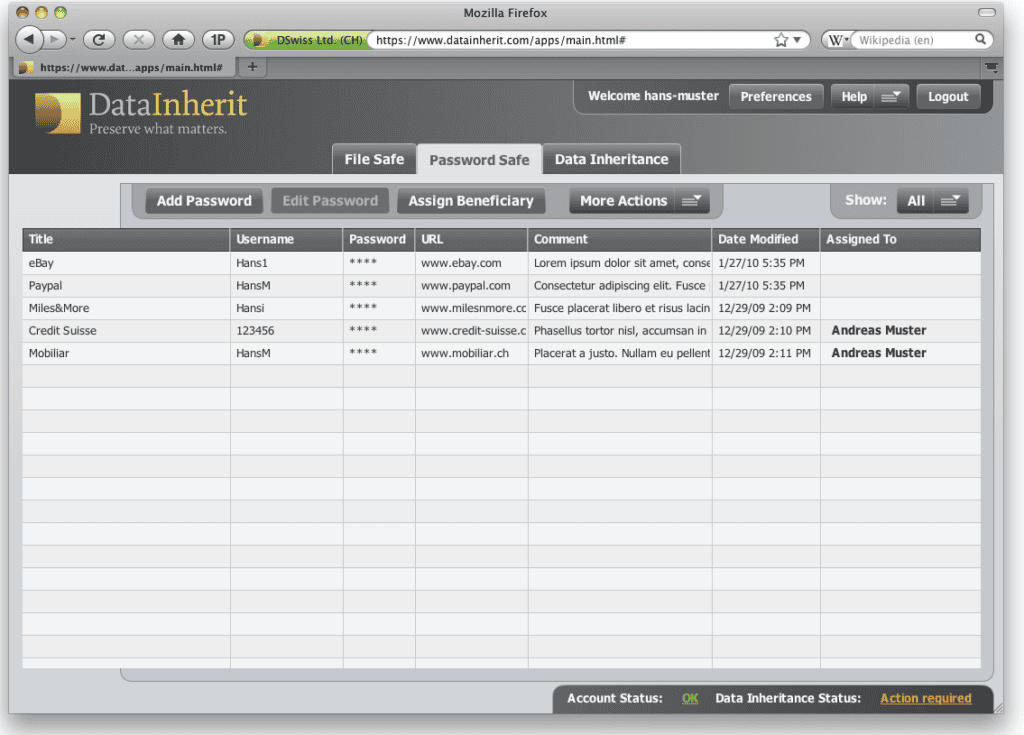
Shared streaming, banking, school, and shopping accounts become risky when everyone keeps passwords in chats or notebooks. A family password manager can make access safer without making daily life harder.
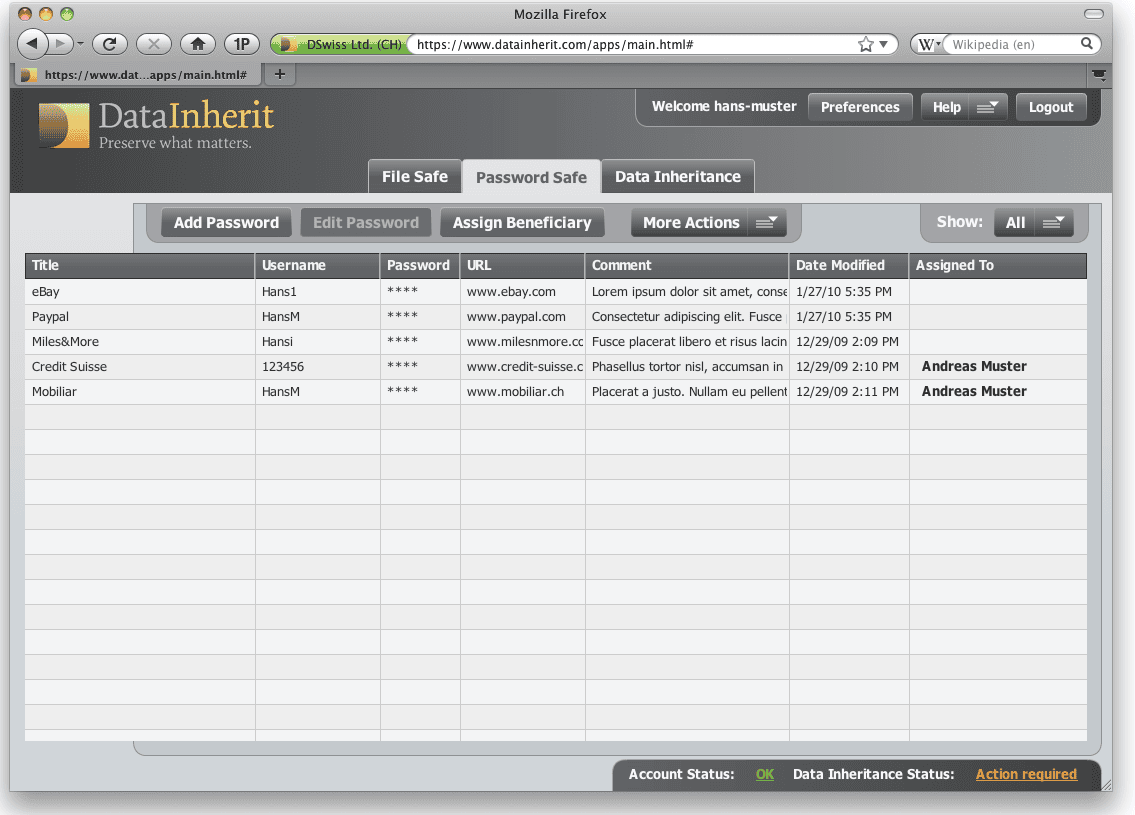
Choose a family password manager
Pick a reputable manager with family sharing, device sync, emergency access, and strong two-factor authentication. Avoid storing passwords in browser profiles shared by several people.
Create one private vault per adult and a shared vault only for accounts that really need sharing. Fewer shared passwords means fewer accidental lockouts.
Make the master password and 2FA strong
Each person needs a unique master password that is long but memorable. A phrase with random words is easier to type than a short complicated password.
Turn on two-factor authentication for the password manager first, then add 2FA to email, banking, cloud storage, and shopping accounts.
Teach simple household rules
Do not send passwords in messaging apps. If someone needs access, share it through the manager so you can remove access later.
Review the vault every few months. Delete old accounts, rotate weak passwords, and make sure recovery email addresses still belong to the family.
Quick checklist before you finish
- Use separate private and shared vaults
- Turn on 2FA for the manager first
- Never share passwords through chat
For more practical guides, browse the Tips Tricks homepage and keep improving one small system at a time.