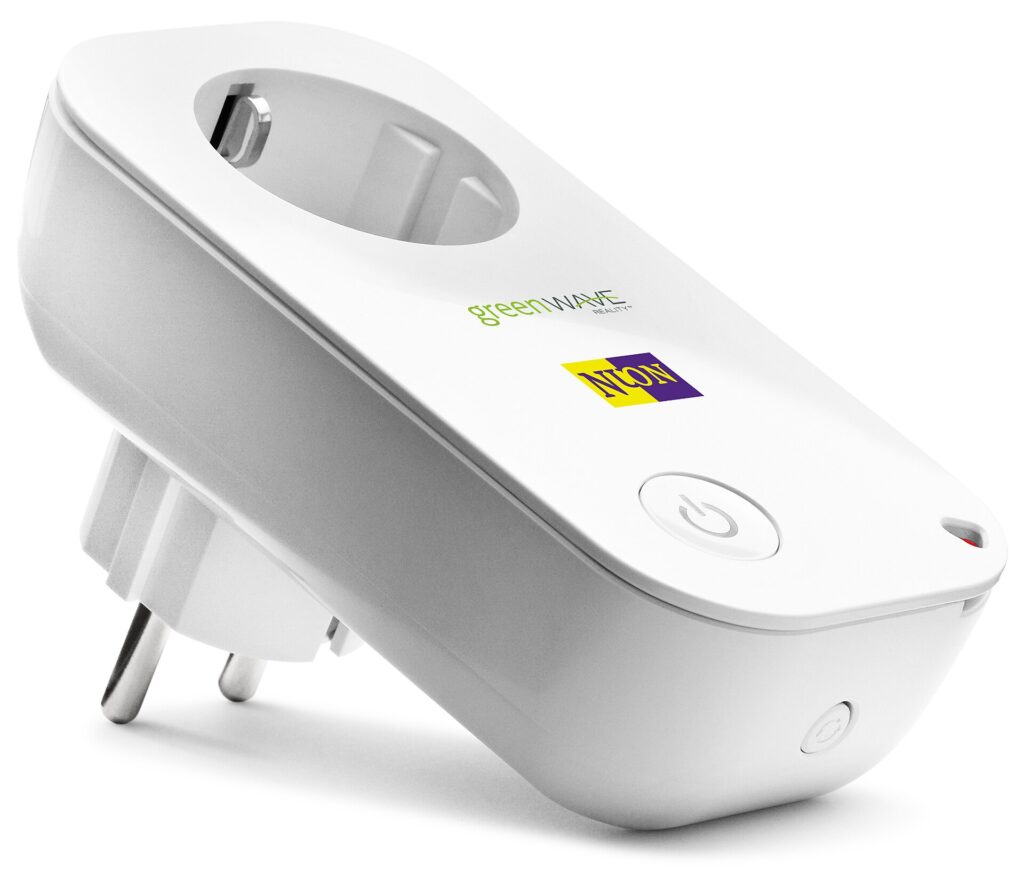
Smart plug energy savings are real, but only when you use smart plugs on the right devices. Plugging one into a refrigerator or a modem and switching it off randomly is not smart. Plugging one into a TV corner full of devices that sit in standby mode all day? That can actually help.
The big idea is simple: many electronics keep sipping power even when nobody is using them. A game console, soundbar, printer, coffee station, or decorative lamp can all keep drawing electricity for convenience features, clocks, or instant-on modes. One device will not change your life, but a handful of good targets adds up.
If you are building a lower-bill routine, bookmark the Tips & Tricks homepage. It pairs nicely with the guide on lowering water heater temperature safely because both habits attack wasted energy without making the house miserable.
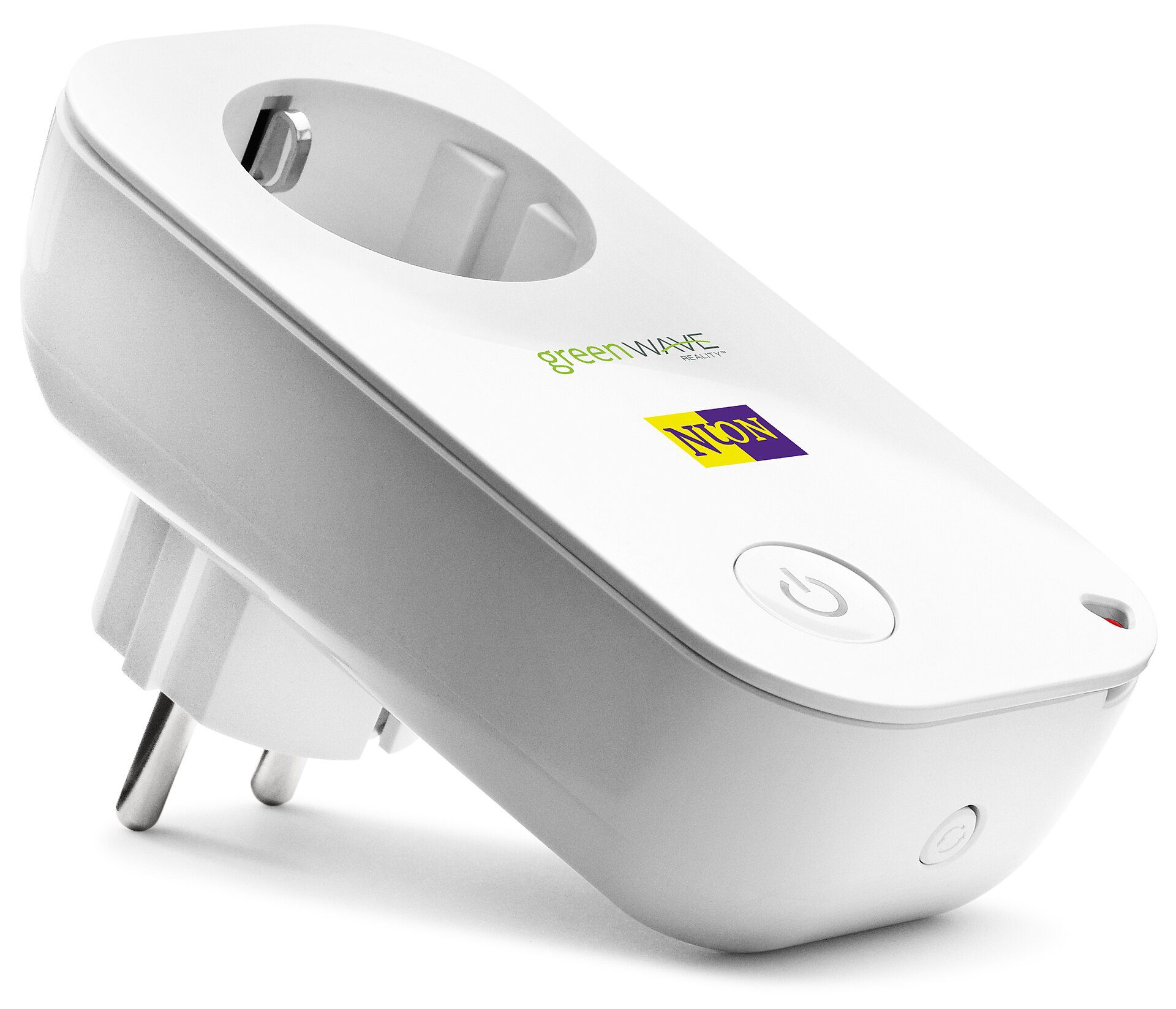
Smart Plug Energy Savings Start With the Right Devices
Target devices that spend long stretches doing nothing useful. Entertainment centers are a great example. TVs, speakers, streaming boxes, and chargers often sit idle for most of the day. A smart plug can cut that whole cluster when everyone is asleep or away at work.
The same logic works for printers, desk lamps, holiday lighting, and small kitchen appliances that keep glowing clocks or standby displays. The US Department of Energy’s standby power page is worth reading because it explains why these little phantom loads are easy to miss on a bill.
Skip anything that truly needs constant power, such as refrigerators, medical devices, main routers, or equipment that can be damaged by abrupt shutoffs. Smart plugs are best for convenience loads, not critical systems.
Use Schedules Instead of Remembering by Hand
The magic of a smart plug is not the button in the app. It is the schedule you stop thinking about. Set the TV area to switch fully off after midnight and come back on before your usual evening routine. Put a desk lamp on a timer so it is not left glowing until breakfast. Good automation removes the forgetful human part from the equation.
I like to keep schedules boring and predictable. Fancy automations are fun for a week. A simple on and off window is what sticks. If your smart plug supports energy monitoring, watch the numbers for a few days and compare what changed after the schedule kicked in.
ENERGY STAR has a useful primer on when smart plugs make sense, and it is a good reminder that the habit matters more than the brand name on the box.
Group the Worst Offenders Into One Simple Power Zone
One of my favorite setups is a smart plug connected to a power strip for a whole media corner. If the total load stays within the plug’s rating, that gives you one switch for the TV accessories, speakers, charger, and similar gear. Instead of saving a few watts from one gadget, you cut the whole cluster at once.
This is where smart plugs feel less like a gadget and more like a habit. You start noticing which parts of the house quietly stay half-awake all day. The printer in the guest room. The humidifier you forgot to switch off. The decorative shelf lighting that only looks nice when someone is actually in the room.
A grouped setup is also easier for other people in the house to understand. Nobody wants a system that requires a manual every time they want to watch a show.
Keep Expectations Real and the Savings Consistent
A smart plug is not going to erase your electric bill. Big appliances and heating or cooling still dominate most homes. What it can do is trim the waste that slips through because it feels too small to bother with. Enough little waste points collected together stop being small.
Think in monthly routines, not miracle moments. Put smart plugs where standby power is common, use schedules, and review the setup after a week. If the automation annoys people or interrupts something important, move the plug to a better target instead of forcing it.
That practical mindset is where the best smart plug energy savings come from: not chasing novelty, just quietly removing the electricity you never meant to pay for in the first place.
Quick Wrap-Up
If you came here to smart plug energy savings, the short version is this: take the easy checks first, use the built-in tools well, and make one or two small habits stick. That approach beats panic-cleanups and random setting changes every time.